






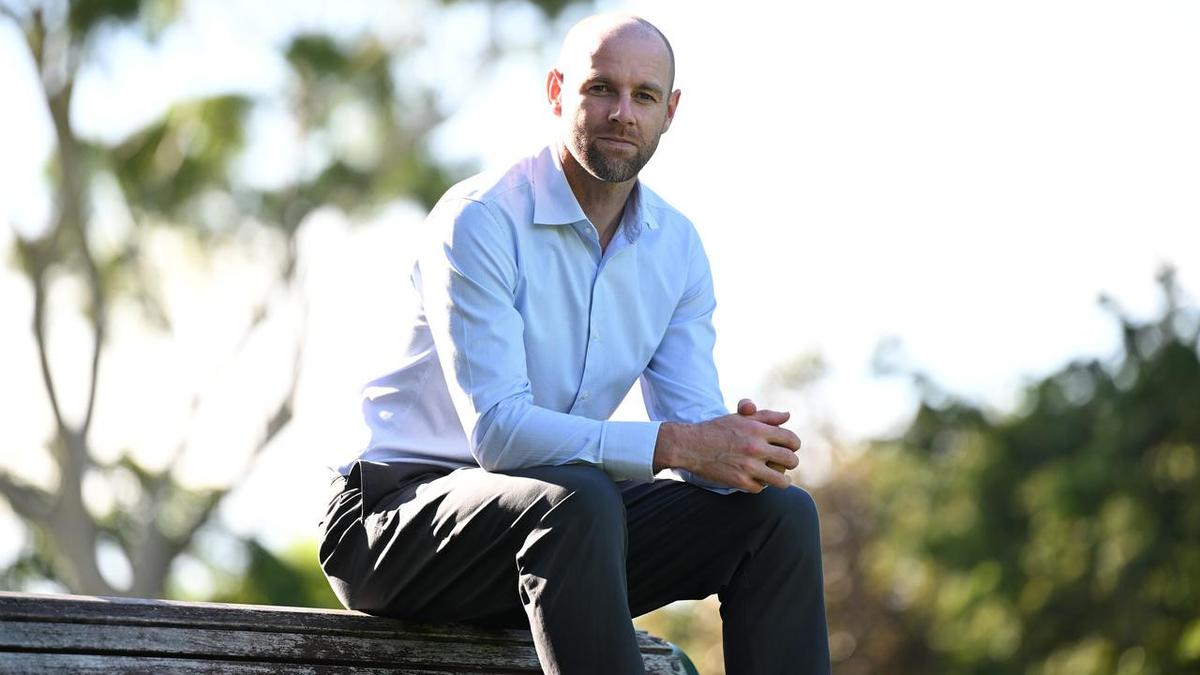
Sam Docherty was at the height of his AFL career when a small lump out of place threatened to derail it all.
The then Carlton co-captain made the accidental discovery at a Gold Coast hotel in late 2020.
“I was feeling around, as you do as a bloke, and noticed that there was a hard bit above my testicle,” the 2017 All-Australian half-back told AAP.
Two weeks later, the otherwise healthy then 27-year-old found himself on the operating table awaiting surgery for stage two testicular cancer.
“It was a pretty crazy turn of events,” he said.
“You hear the word ‘cancer’ and you just think: ‘I’m in a world of hurt’.”
An estimated 1040 Australians were diagnosed with testicular cancer in 2025, with nearly 40 people dying from the illness that year.
It is the most common form of cancer for men aged under 40, with an estimated average diagnosis age of 36.
While highly treatable when caught early, it can pose significant health risks if allowed to spread.
“When testicular cancer is caught early, surgery alone is usually enough to treat it,” says genitourinary oncology specialist Dr Weranja Ranasinghe.
“However, if the cancer has spread beyond the testicle, it can travel to other parts of the body.
“That means treatment becomes more prolonged and often involves chemotherapy.”
In Docherty’s case, the cancer had already spread to the epididymis – the coiled tube above the testicles – by the time it was identified.
Though he underwent surgery immediately, testing revealed it had spread throughout his body within a year of the operation.
That prompted him to undergo four, five-day rounds of chemotherapy, an experience he likened to feeling hungover without relief for days at a time.
Against the odds, the Blues favourite returned to the field within months of finishing his final round of chemo in November 2021.
“I ran on for round one and had almost my best year of footy after that,” Docherty said.
“It was a pretty crazy experience.”
April is testicular cancer awareness month, designed to encourage young men to spare two minutes in the shower for regular self-checks.
This involves checking for lumps, swelling, pain or hardness on the testicles with a thumb and forefinger.
It is best done regularly and after a warm bath or shower.
“There’s nothing overly comfortable about getting checked but the earlier you catch these things, the more treatable it becomes,” Docherty said.
“The most uncomfortable news you could get is that it’s too late.”
Since retiring from the AFL in 2025 after notching 184 games, Docherty has continued to advocate for cancer awareness and serves on the board of the Peter MacCallum Cancer Foundation.
https://thewest.com.au/news/health/world-of-hurt-afl-greats-cancer-warning-for-men-c-22125706


