






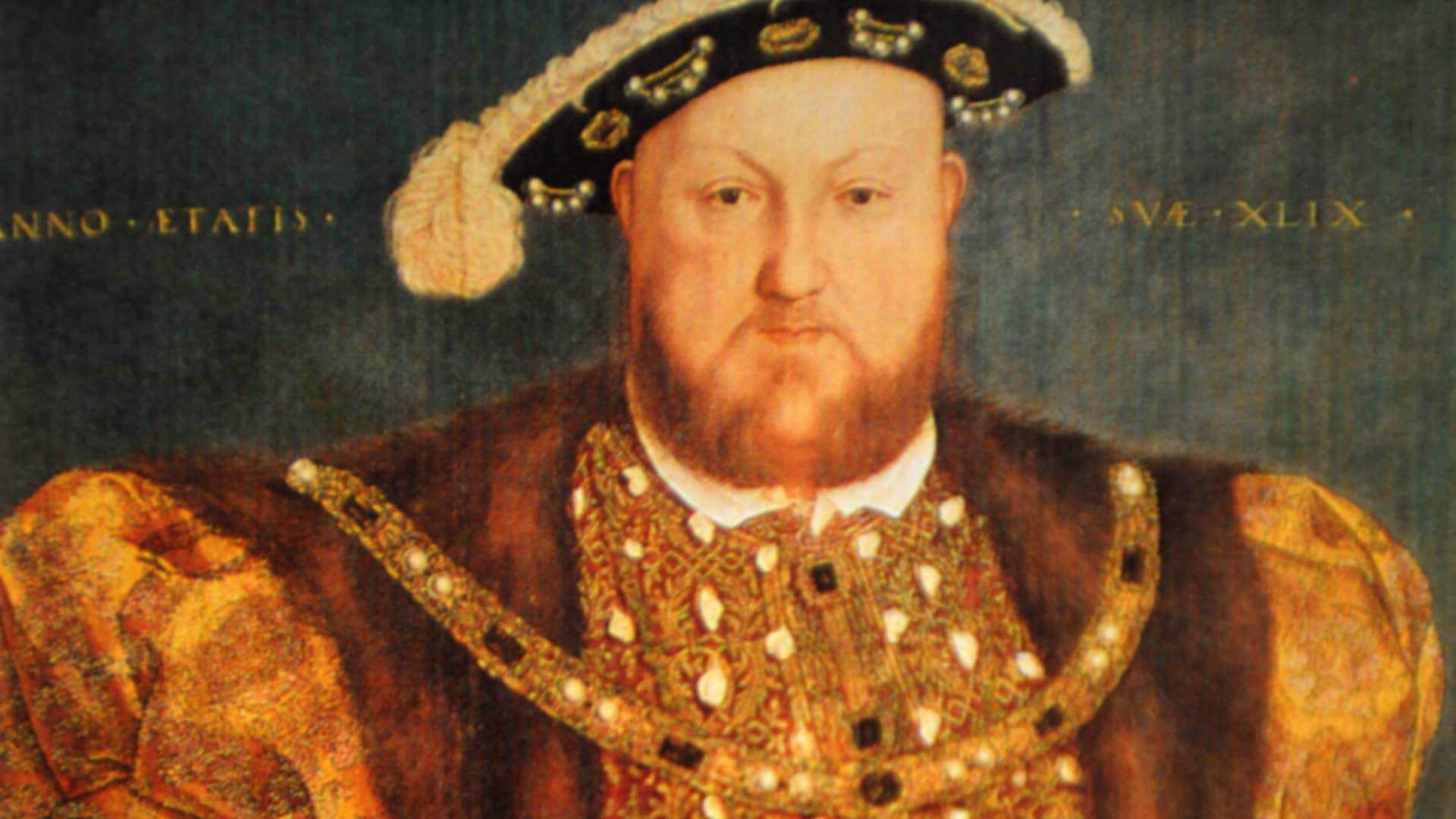
While the “debasement trade” is in vogue again, Deutsche Bank thinks there are takeaways for investors dating back at least more than five centuries. Precious metals are off to a hot start for the year after a surge in 2025, with gold crossing the $5,000 mark on Monday and silver up more than 50% in 2026. It has sparked talk of a debasement trade , a theory that has gained popularity as commodity prices have jumped. The debasement trade entails investors betting that countries including the U.S. will purposefully decrease the value of their currencies. Those traders argue that will happen as governments increase borrowing and print more money to ease their high debt burdens. Recently, traders around the globe have also been moving away from the U.S. dollar as the country adopts more protectionist trade policies under a second Trump administration. The debasement view, in turn, has boosted gold, silver and other assets. Deutsche Bank, though, thinks the possibility of a major currency devaluation is unlikely. Macro strategist Henry Allen made that call based on both history and market signals of the present. @GC.1 @SI.1 1Y mountain @GC.1 vs. @SI.1 1-year chart Allen explained in a Monday note that the debasement is a centuries — even millennia — old idea. In 1544, King Henry VIII devalued his currency to pay for more government spending. Back then, debasement was done by decreasing the amount of precious metals within gold and silver coins that were used as currency, and increasing the amount of cheaper base metals, like copper. But just like printing more of a fiat currency today can spark inflation, making it cheaper to produce coins hiked production overall, and thus inflation. By 1551, after Henry’s death, the debasement policy was overturned because of inflation angering the populace, and the devalued currency was eventually totally removed from the money supply. Fall of the Roman Empire It’s not just early modern England that shows the difficulties of debasement. Allen wrote that in 64 AD, Emperor Nero of the Roman Empire, in a move to raise revenue without increasing taxes, decreased the amount of silver in the physical currency. The trend lasted until silver made up just 5% of the physical currency, which led to inflation — “a key factor in the economic instability of the late-Roman Empire,” Allen wrote. While centuries apart, the two examples show the enduring consequences of currency devaluation. “A key lesson in both was that the debasement didn’t start as a huge and sudden shock,” Allen wrote. “It was a gradual process whereby the precious metal content was reduced by a bit, but that was repeatedly done to the point where inflation became widespread.” Allen argues that inflation is extremely unpopular and governments will eventually work to avoid it rather than harness it. Beyond Allen’s centuries-old examples, the inflation of the last five years has coincided with the electoral ouster of incumbent governments, of all ideologies, across the world. “Inflating away debt is more difficult than it looks, having been met with strong political resistance given inflation’s unpopularity,” he said. If history tells us debasement leads to inflation and a citizen backlash, Allen argued those riding the this trade are therefore making a bet that countries will avoid a similar uproar if they continue to try to devalue their currencies. Gold and silver markets are acting like this debasement can continue unabated. Allen thinks that pushback to debasement is coming, if not here already. US10Y 1Y mountain US10Y 1-year chart Allen said other market signals besides commodities are signaling that a global debasement effort won’t take hold. He pointed to U.S. and European 30-year inflation swaps, derivative markets that are a key indicator for the trajectory of prices, and stable Treasury yields to conclude an inflation spike doesn’t appear imminent. It’s why Allen is warning the debasement trade may be operating on a faulty premise, as he bets inflation — while still above target in the rest of the world — won’t make a roaring comeback.
https://www.cnbc.com/2026/01/27/what-investors-piling-into-gold-can-learn-from-king-henry-viii.html


