







The UK government recorded its largest ever January budget surplus, reflecting a sharp increase in tax receipts and easing pressure on public finances ahead of the spring statement.
Official figures showed a strong improvement in government income, driven by self-assessment tax payments, higher capital gains tax collections, and rising wages.
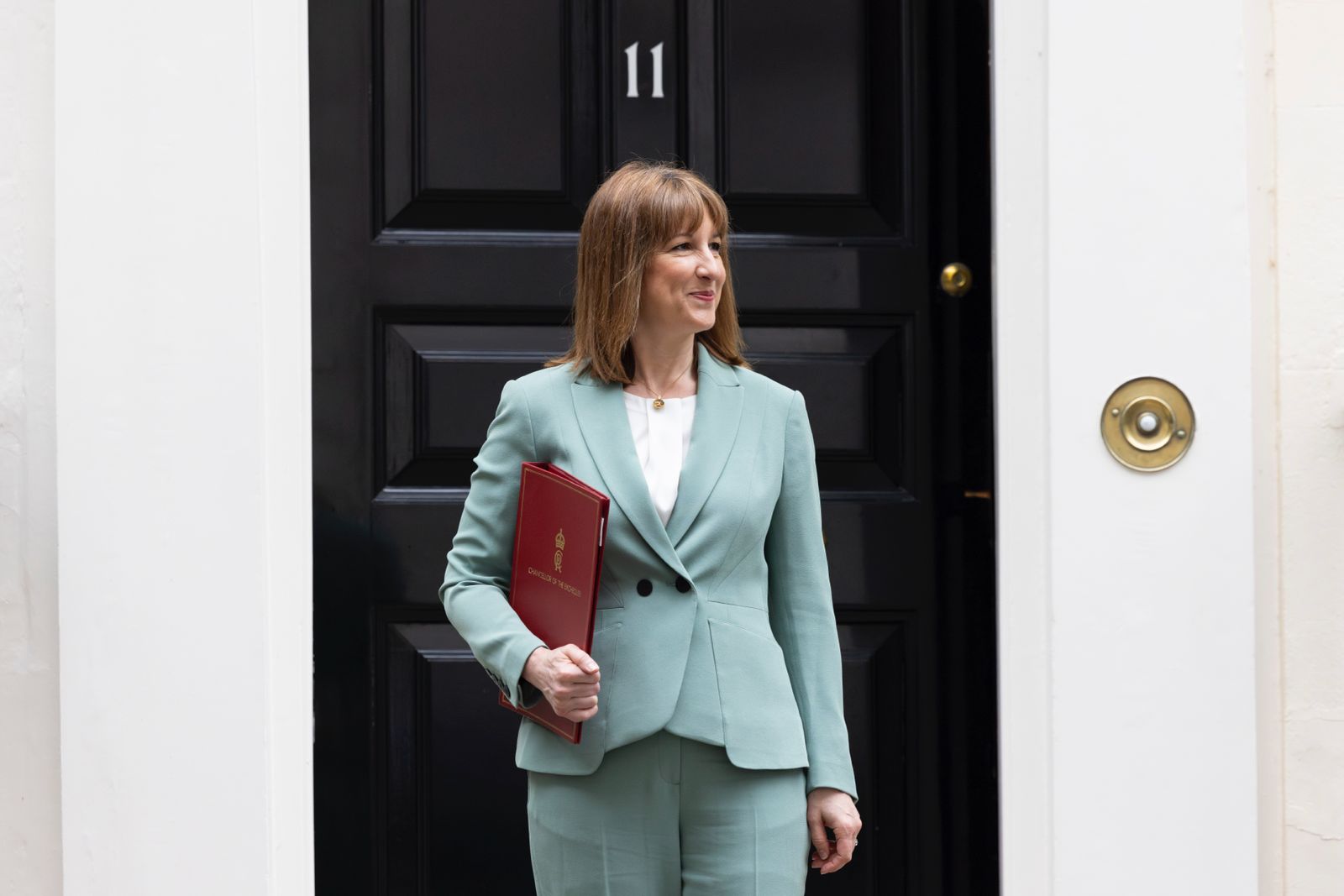
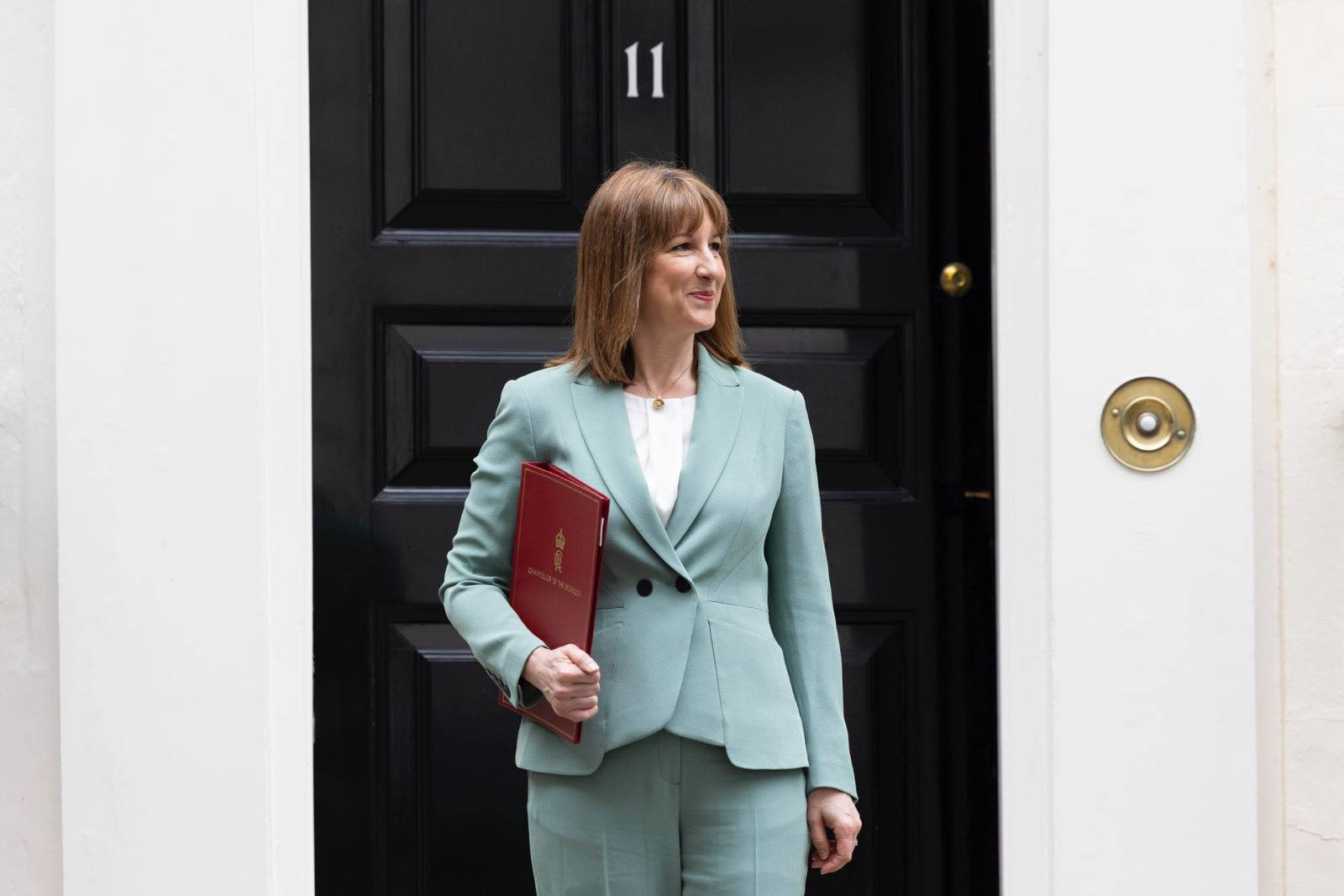
The data provides a boost for Chancellor Rachel Reeves as she prepares to outline the government’s fiscal strategy.
While spending remained relatively stable, higher revenue and lower debt interest costs helped push the public finances into surplus, even as national debt remains close to historic highs.
Record surplus
Public sector finances recorded a surplus of £30.4bn in January, according to the Office for National Statistics.
This was £15.9bn higher than the surplus recorded in January 2025 and significantly above the £24bn forecast by the Office for Budget Responsibility and City economists.
January is traditionally a strong month for public finances due to self-assessment tax payments, but this year’s surplus was the highest since monthly records began in 1993.
The figure also marked a sharp turnaround from December, when public sector net borrowing stood at £11.6bn.
The ONS said government revenue rose strongly compared with the same period last year, while overall spending remained largely unchanged.
Lower debt interest payments helped offset increased spending on public services and benefits, supporting the improvement in public finances.
Capital gains boost
Higher capital gains tax receipts played a key role in strengthening government income.
Many taxpayers sold assets ahead of expected tax increases announced in the October 2024 budget.
The government raised the lower capital gains tax rate from 10% to 18% and the higher rate from 20% to 24%, with the changes taking immediate effect.
This led to increased asset disposals, boosting tax collections and contributing to the surplus.
Other tax policies also increased revenue.
Income tax thresholds have been frozen since 2022, gradually pushing more earners into higher tax bands as wages increased.
National insurance contributions were also raised last April, further lifting government income.
Stronger wage growth added to tax receipts overall, reinforcing the increase in government revenues during the month.
Borrowing falls
The improved surplus helped reduce borrowing levels for the financial year so far.
The deficit for the first 10 months reached £112.1bn, which was lower than the £120.4bn forecast by the Office for Budget Responsibility.
This provided additional fiscal space for the government ahead of future policy decisions.
Lower borrowing compared with expectations reflected stronger revenue performance and relatively controlled spending.
Reducing borrowing remains a priority for the government as it seeks to stabilise public finances and manage long-term debt pressures.
Debt pressures remain
Despite the record surplus, overall debt levels remain elevated.
Public sector net debt stood at 92.9% of gross domestic product in January, the highest level since the early 1960s.
Debt servicing continues to place a significant burden on public finances, with around £1 in every £10 spent by the government going towards interest payments.
The latest surplus highlights improving revenue conditions but also reflects ongoing structural pressures from high debt levels.
Strong tax receipts have supported public finances, but managing borrowing and debt costs remains central to the government’s fiscal strategy.
https://invezz.com/news/2026/02/20/uk-posts-record-budget-surplus-as-tax-windfall-boosts-public-finances/


