






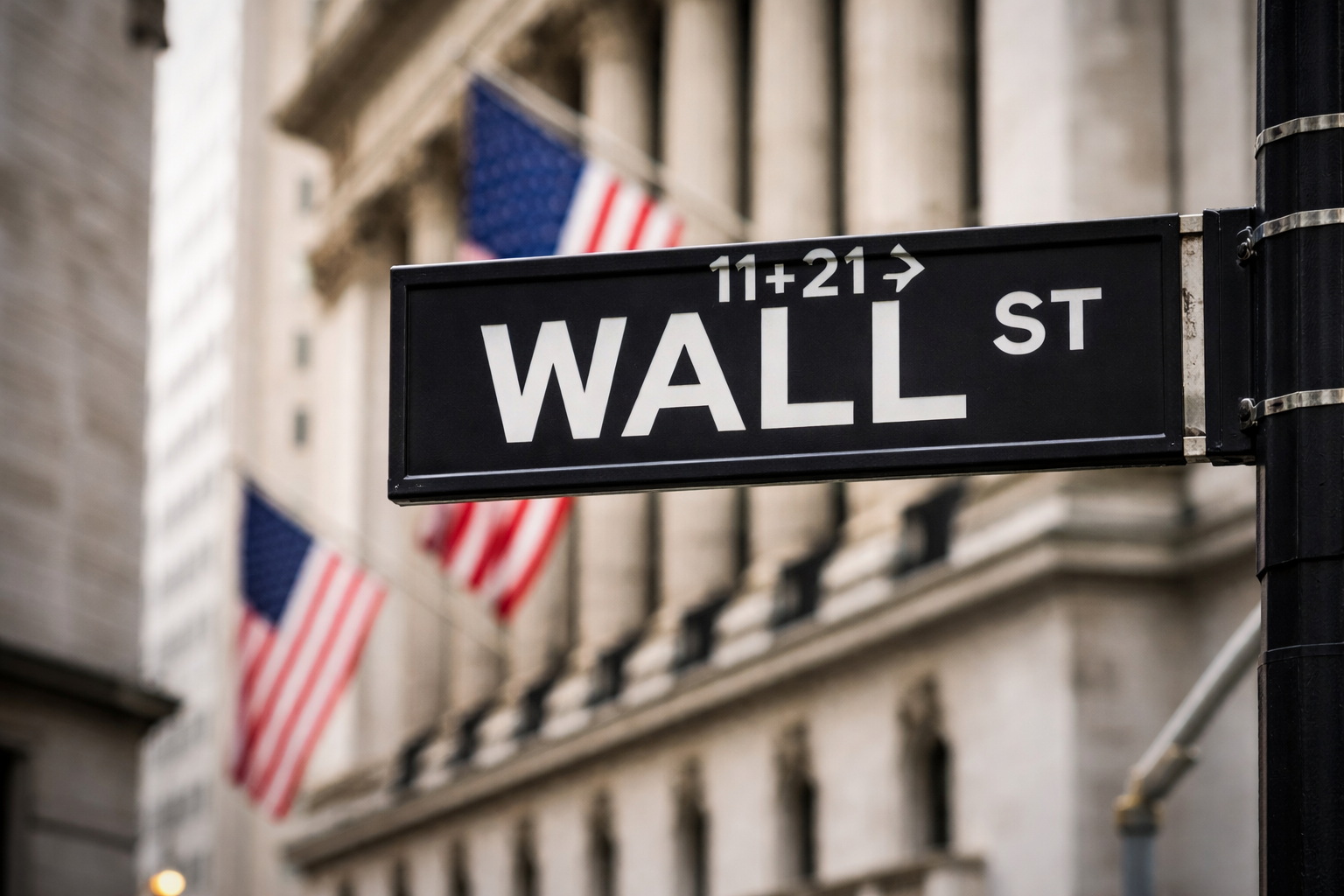
Wall Street closed higher on Wednesday as easing oil prices and hopes of a potential ceasefire between the United States and Iran lifted investor sentiment, even as uncertainty around the conflict persisted.
The Dow Jones Industrial Average gained 305.43 points, or 0.66%, to close at 46,429.49.
The S&P 500 rose 0.54% to 6,591.90, while the Nasdaq Composite advanced 0.77% to end at 21,929.83.
A decline in crude prices supported markets and renewed optimism that diplomatic efforts could ease tensions in the Middle East, a key driver of volatility in recent sessions.
Oil declines as ceasefire hopes emerge
Investor sentiment improved after reports that the United States had delivered a proposal to Iran aimed at ending the conflict.
According to media reports, the plan—reportedly a 15-point proposal—was conveyed via Pakistan, raising hopes for a potential de-escalation.
However, signals remained mixed.
Iranian state media indicated that Tehran would reject the US ceasefire offer and instead proposed its own conditions, including control over the Strait of Hormuz.
Iran’s foreign minister also noted that, while proposals were under review, message exchanges did not constitute formal negotiations.
Oil prices fell sharply in response to the developments.
West Texas Intermediate crude declined 2.2% to settle at $90.32 per barrel, while Brent crude dropped 2.17% to $102.22.
Treasury yields also moved lower alongside oil.
Despite the pullback, geopolitical risks remain elevated.
Reports that the US could deploy additional troops to the region underscored the fragility of the situation.
Markets remain headline-driven amid uncertainty
Trading remained volatile throughout the session as investors reacted to conflicting developments on the geopolitical front.
Analysts noted that even limited signs of communication between the two sides have been enough to support risk appetite, particularly given the Strait of Hormuz’s importance as a key route for global oil shipments.
Markets have already adjusted expectations for monetary policy, with traders no longer pricing in Federal Reserve interest rate cuts this year, according to CME FedWatch data.
Technology and travel stocks lead gains
Gains were broad-based, with technology stocks providing a significant boost to the major indexes.
Shares of Nvidia, Advanced Micro Devices, and Intel all moved higher during the session.
The decline in oil prices also lifted sectors sensitive to fuel costs.
Airline and cruise stocks rallied, with the S&P Composite 1500 Passenger Airlines index outperforming the broader market.
Among other movers, Arm Holdings surged after unveiling a new AI data centre chip, while Robinhood Markets gained following the announcement of a $1.5 billion share buyback program.
The small-cap Russell 2000 index also touched a two-week high, reflecting improving risk appetite.
Still, with geopolitical tensions unresolved and inflation concerns lingering, markets remain sensitive to developments in the Middle East.
For now, investors appear cautiously optimistic, balancing hopes of de-escalation against the risk of further disruption to global energy markets.
https://invezz.com/news/2026/03/25/sp-500-rises-dow-jones-gains-300-points-on-iran-ceasefire-hopes/


