







Markets are starting the week in a distinctly defensive mood.
The collapse of US-Iran talks has put oil back at the center of the global macro story, reviving inflation fears and knocking risk appetite across Asia.
At the same time, politics is shaping a second market narrative in Europe, where Viktor Orbán’s defeat in Hungary has triggered hopes of a more constructive relationship with Brussels.
Geopolitics continue to move currencies, crude, and investor sentiment faster than economic data alone.
Hormuz tensions escalate
The sharpest jolt came from Washington’s response to the failure of US-Iran talks.
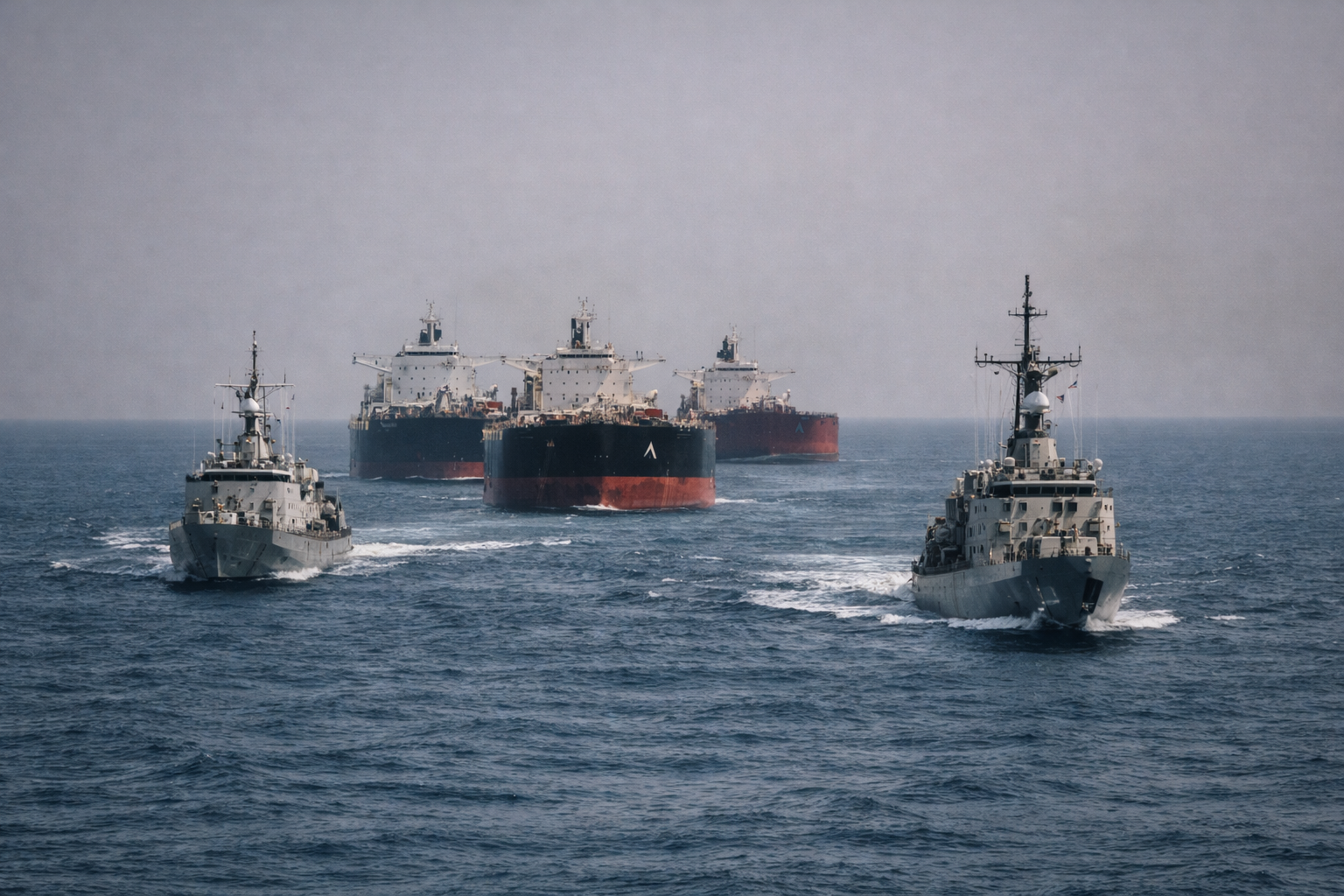
President Donald Trump said the US military would begin blockading maritime traffic to and from Iranian ports.
The move has raised tensions around the Strait of Hormuz without fully shutting the waterway to all shipping.
That distinction matters, but markets still read the announcement as a major escalation.
Iran-linked flows of up to 2 million barrels a day are now in focus, and traders are treating the move as a fresh threat to already fragile energy supply chains.
Oil’s risk premium returns
Oil prices responded exactly as expected when a chokepoint as sensitive as Hormuz moved back into the headlines.
Brent jumped above $101 a barrel, and WTI climbed past $104 after the US blockade announcement, with traders quickly repricing the odds of tighter crude supply.
Even though Saudi Arabia’s pipeline capacity offers some mitigation, the core issue is that the market can no longer assume Middle East barrels will move smoothly.
Higher crude also revives a broader macro problem: central banks that had been edging toward easier policy may now have to contend with another external inflation shock.
Asian prices in pain
Asian markets moved quickly to reflect that new reality.
Regional equities fell, the dollar strengthened, and investors rotated back toward safer positioning as higher oil prices darkened the outlook for inflation.
Losses were seen across major regional benchmarks, while the broader market concern was clear: energy-importing economies in Asia are especially exposed when crude rises this fast.
The pressure is not confined to stocks.
Higher oil threatens trade balances, weakens local currencies and complicates the path for central banks that were hoping to ease policy later this year.
Hungary gets a lift
Peter Magyar’s victory over Viktor Orbán ended a 16-year political era and pushed the forint to near three-year highs, as investors began betting on a more pro-European policy turn.
The market logic is straightforward: a government seen as more cooperative with Brussels may have a better chance of unlocking roughly €18 billion in suspended EU funding, easing fiscal strain and improving the growth outlook.
Still, the optimism is conditional rather than guaranteed.
Brussels has tied funding to rule-of-law reforms and specific milestones, so political change alone will not release the money.
For now, investors are trading the possibility of reform rather than the certainty of cash.
https://invezz.com/news/2026/04/13/morning-brief-oil-spike-asia-selloff-hungary-fuels-eu-hopes/


