







European markets faced fresh volatility Monday as oil surged past $100 a barrel, prompting an emergency G7 call and raising fears of renewed inflation pressure in major economies.
The energy shock rippled through financial markets, dragging stocks lower and forcing policymakers to reassess economic risks.
Meanwhile, political and technological developments added to the uncertainty, with Nigel Farage investing in a UK Bitcoin treasury firm and Nexperia’s Chinese unit declaring progress toward chip manufacturing independence.
G7 calls emergency meeting
G7 finance ministers convened an emergency call on Monday as surging oil prices rattled global markets, with crude topping $100 a barrel for the first time since 2022.
The Brent briefly hitting $119.50 was driven by escalating US-Israel strikes on Iranian oil depots and the effective closure of the Strait of Hormuz for nearly a week.
The Dow Jones fell over 800 points, while the S&P 500 and Nasdaq also declined.
The G7 discussed a coordinated release of emergency oil reserves, though France’s finance minister said the group was “not there yet.”
President Trump dismissed the surge as a “short-term” cost, calling it a “very small price to pay” for US and global safety.
UK inflation likely to climb
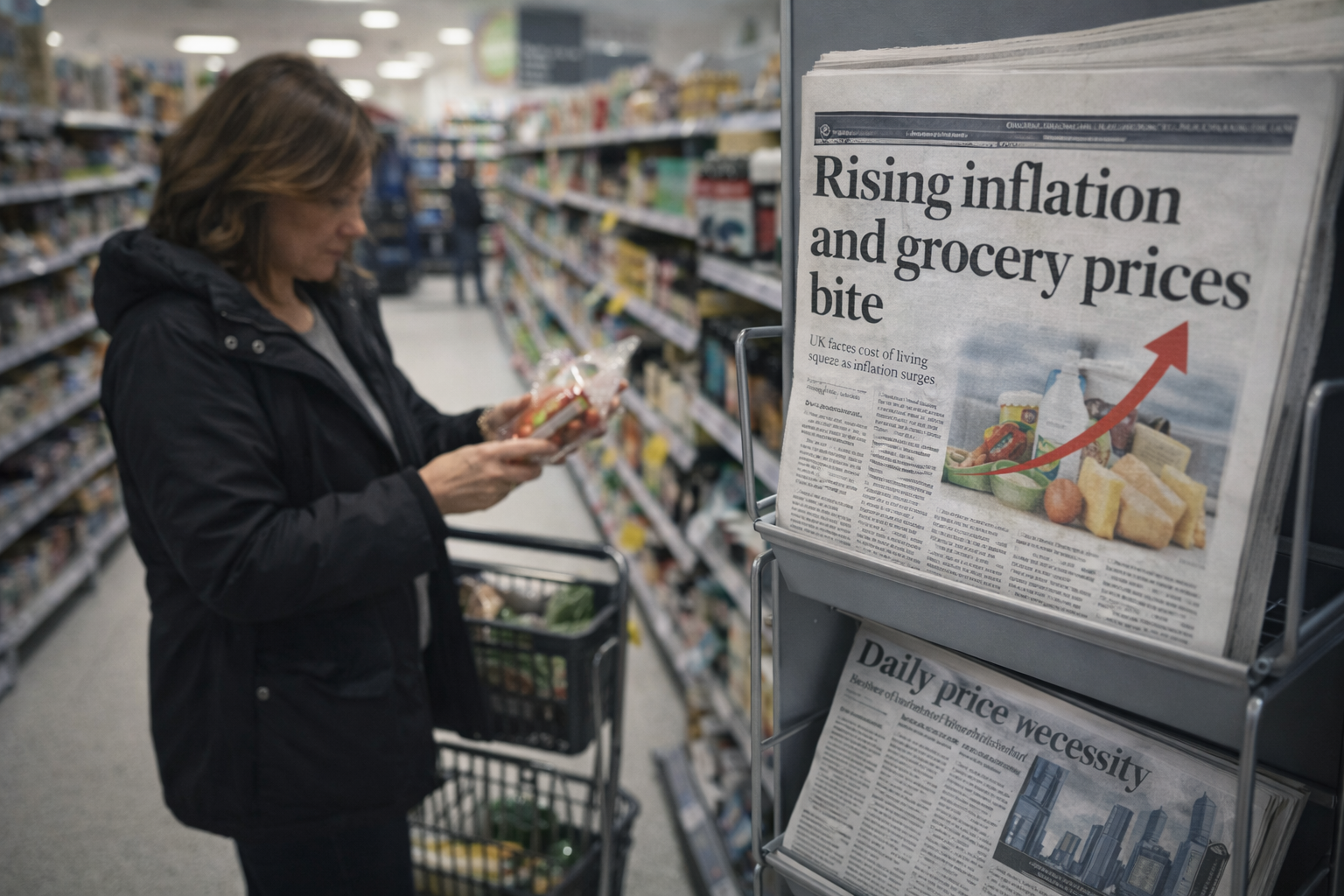
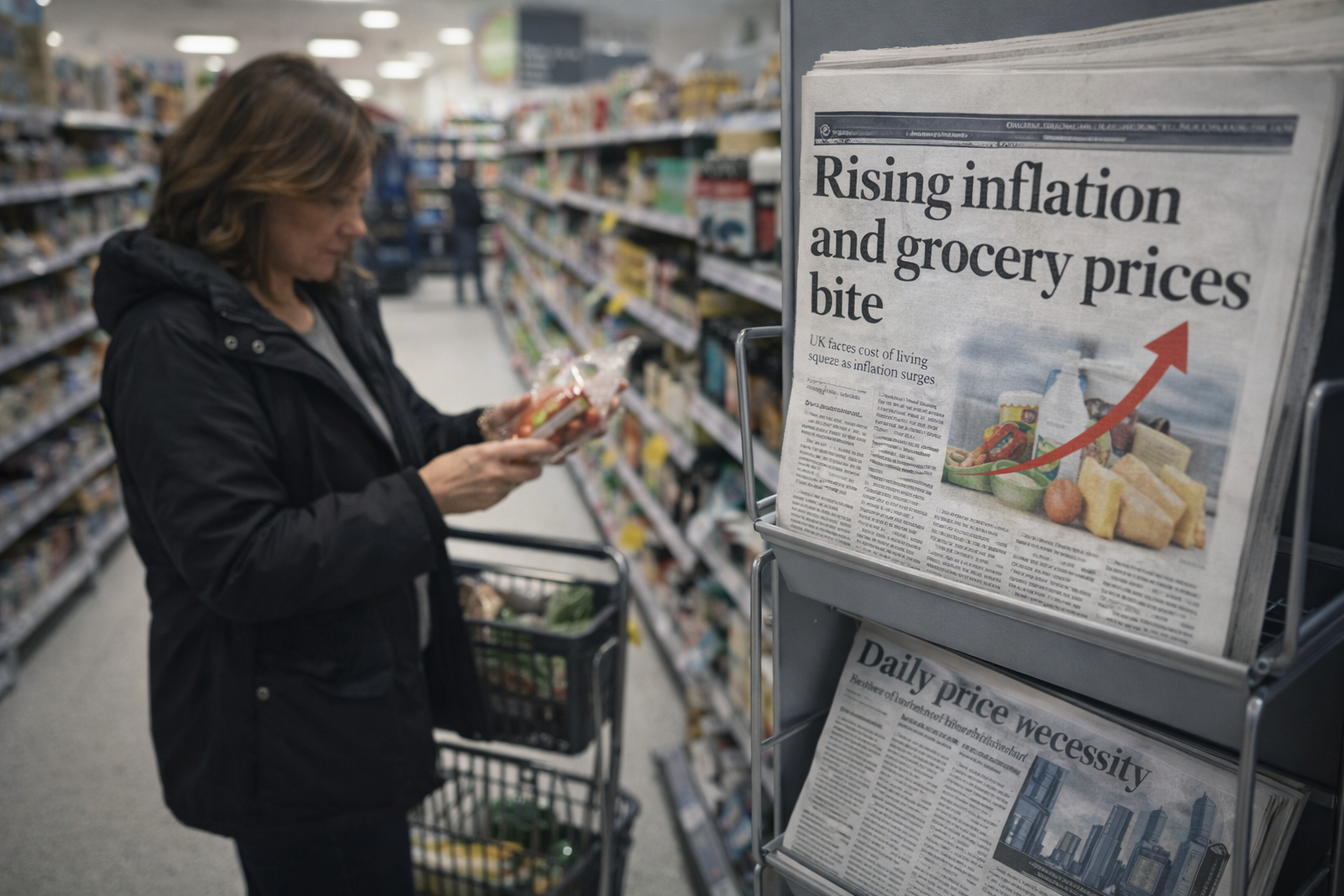
UK Chancellor Rachel Reeves issued an emergency statement on Monday, cautioning that inflation is likely to climb in the coming months as surging global energy prices bite into the economy.
The warning comes as oil prices crossed $100 a barrel for the first time since 2022, driven by the escalating US-Israel conflict with Iran.
Gas prices have already jumped more than 60% since the start of the Iran conflict alone.
Reeves sought to steady nerves by insisting financial markets are continuing to function normally, though analysts have flagged that gilt yields are rising sharply.
The OBR’s March forecast, which placed UK inflation at 2.3% for 2026, was prepared before the Middle East crisis, meaning those projections are widely seen as already outdated.
Farage backs Kwarteng’s Bitcoin firm
Reform UK leader Nigel Farage has invested £215,000 in Stack BTC, a London-listed Bitcoin treasury company chaired by former Conservative Chancellor Kwasi Kwarteng.
The investment, made through Farage’s vehicle Thorn In The Side Ltd, gives him a 6.3% stake in the firm.
Stack BTC raised £260,000 in total by issuing 5.2 million new shares at 5 pence each, with Blockchain.com also participating as a strategic investor.
The company’s strategy is to acquire small UK businesses and channel surplus cash into Bitcoin.
Farage called for London to become a global crypto hub.
The move adds to Reform UK’s deepening ties with the crypto sector, as the party has already received over £12 million in donations from crypto billionaire Christopher Harborne.
Nexperia China declares Chip independence
Nexperia’s Chinese subsidiary announced on Monday that it has successfully begun small-batch production of 12-inch wafer bipolar discrete components, a size its Dutch parent company cannot manufacture in Europe.
The Chinese unit called it a “breakthrough” in its independent R&D and mass production capabilities, posting the announcement on Chinese social media.
The move comes as Nexperia’s Dutch headquarters and its Chinese division remain in a deep standoff, with the Dutch side having suspended wafer shipments to the Guangdong facility.
The Netherlands placed Nexperia under state supervision in October 2025, citing fears that the Chinese owner Wingtech was moving to shift European operations to China.
Beijing has repeatedly warned that the dispute risks triggering a fresh global chip shortage, particularly for automakers.
https://invezz.com/news/2026/03/09/europe-bulletin-g7-crisis-call-uk-inflation-warning-farage-backs-btc/


