


In maritime disputes, endurance matters as much as firepower. The ability to remain on station, resupply, and rotate assets over time can translate into a decisive advantage.
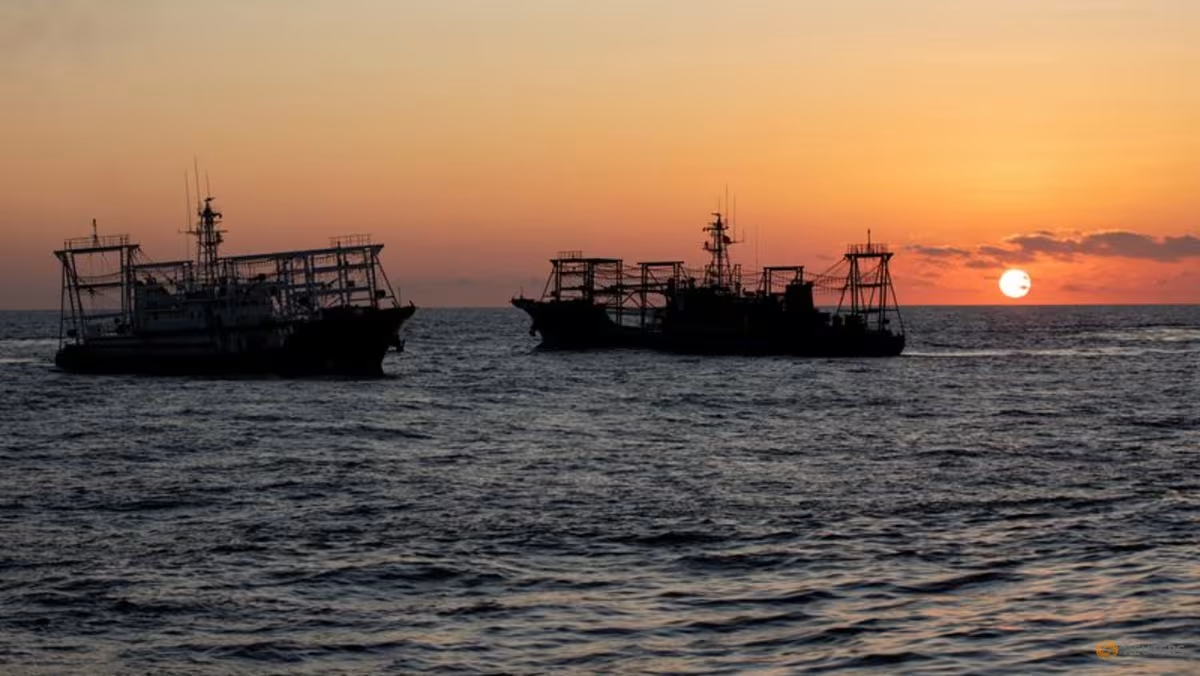
This dynamic is particularly evident in the operations of China’s coast guard and maritime militia. These forces operate in the grey zone between civilian and military activity, asserting presence without crossing into open conflict.
Infrastructure of this kind enables more persistent and coordinated deployments. With improved berthing and logistical support, vessels can remain in contested waters for longer periods and in greater numbers. Over time, this sustained presence can shape patterns of use and control.
The timing of this renewed activity is telling. Recent reporting highlights that China is consolidating its position while external attention is divided at a moment of heightened geopolitical complexity, when the United States and its allies are managing multiple global challenges. Beijing may judge that the costs of creating new “facts on the water” remain manageable, particularly in the absence of consistent external pushback.
Whether or not this is the primary driver, it underscores how developments in the South China Sea are closely tied to wider challenges.
https://www.channelnewsasia.com/commentary/south-china-sea-island-build-law-power-6083581
