






Tokyo’s key exports to Canada include cars, machinery and medical equipment, while Ottawa exports canola, wheat, beef, pork, minerals and, increasingly, energy to Japan.
Last year, Tokyo began importing liquefied natural gas (LNG) from Ottawa to diversify its energy supply.
Mitsubishi Corporation, one of Japan’s largest trading houses, holds a 15 per cent stake in the C$40 billion (US$29 billion) LNG Canada project in British Columbia.
“What concerns the people most in Japan currently is cost of living and inflation,” said Tomoo Kikuchi, professor at Waseda University, noting that reliable access to natural resources underpins production and prices.
“Because of what’s happening now in (the) Middle East, I think it’s important for Japan that it has other sources of imports of LNG and oil,” he added.
SECURITY COOPERATION
Both countries are also strengthening their security ties amid rising regional tensions.
Under Canada’s Indo-Pacific strategy, Ottawa has joined maritime security exercises in Asian waters and signed defence technology transfer and information-sharing agreements with Tokyo.
But some commentators describe Canada’s engagement as piecemeal and ad hoc.
“Canada is a member of NATO (North Atlantic Treaty Organization), and their security perspective could be shifting to the European side,” noted Koga.
“So in that sense, it would be difficult to understand to what extent Canada could actually commit militarily to the Indo-Pacific in the future.”
BALANCE OF POWER
Canada and Japan both face pressures from larger powers – especially the United States and China.
They have long been caught in what analysts call the “Washington distraction”, forced to react to shifts in US trade and security policy. Both countries have faced US tariffs, along with pressure from Washington to increase defence spending.
At the same time, Canada has stepped up selective engagement with China in certain economic areas as it seeks to reduce reliance on the US, while Japan continues to manage tensions with Beijing, including over Taiwan and regional security.
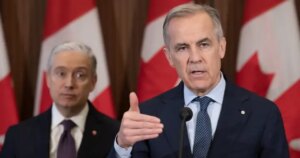
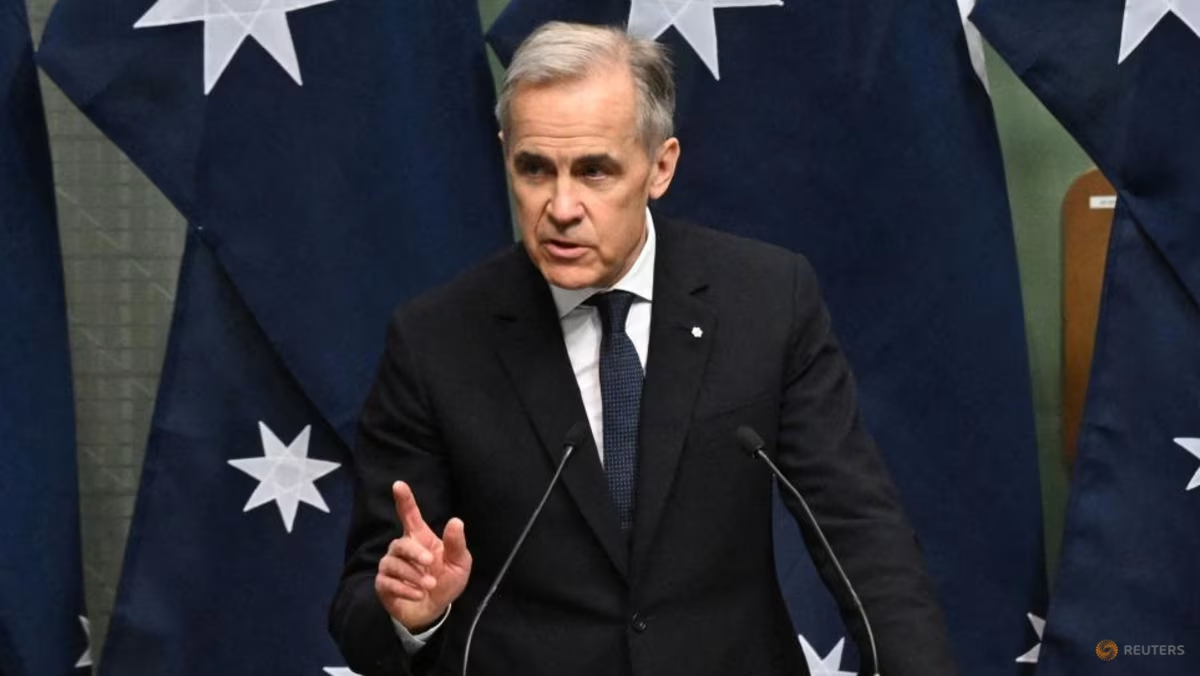
Carney and Takaichi previously met on the sidelines of the APEC leaders’ meeting in South Korea in November last year, where they discussed expanding economic cooperation and strengthening ties in the Indo-Pacific.
The talks in Tokyo on Friday and Saturday will be their first formal bilateral summit in Japan.
Against a backdrop of US policy shifts and regional tensions, the meeting will test whether Canada and Japan can translate their shared interests into a practical middle-power strategy – one that can hold its ground amid rivalry between the world’s largest powers.
https://www.channelnewsasia.com/asia/canada-japan-mark-carney-visit-strengthen-cooperation-5975466


