


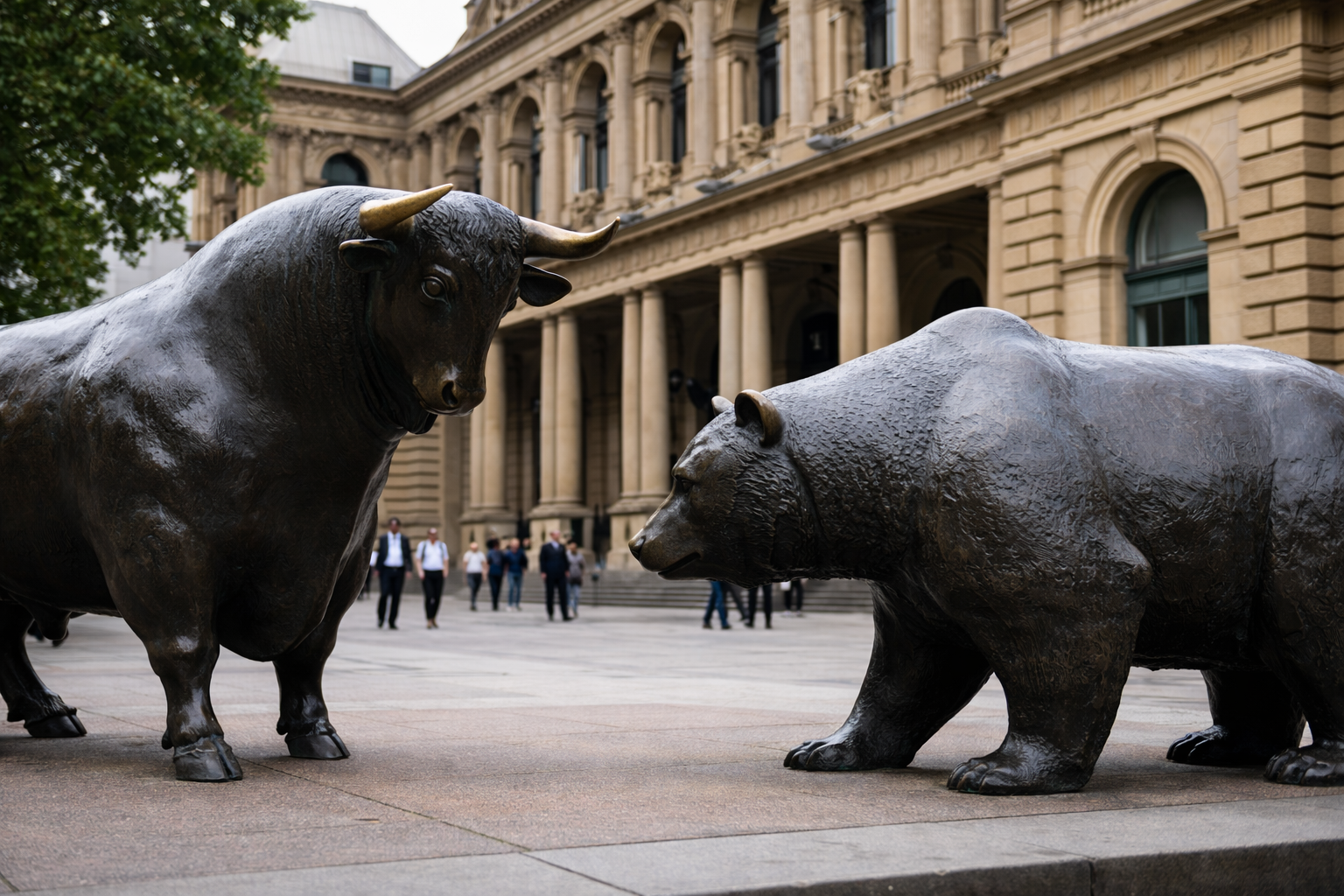
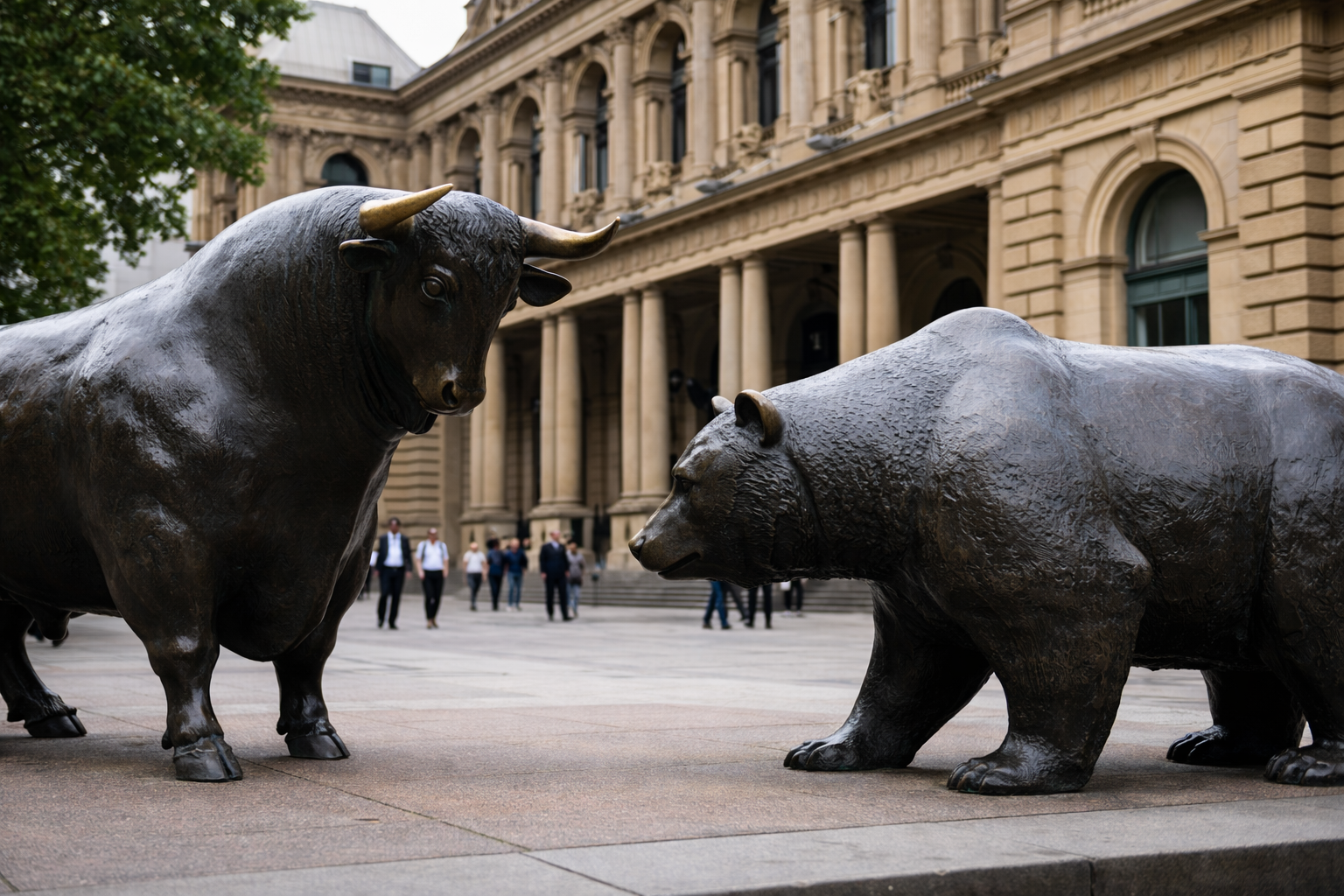
Will US stocks crash in 2026? No one can know for sure, but several indicators suggest risk has risen while not ruling out further gains.
According to The Motley Fool, investors should watch recent index performance, key technical levels, and sentiment.
At the same time, some market participants are shifting toward defensive assets and hedges, as outlined in a Seeking Alpha podcast with investor Victor Dergunov, founder of The Financial Prophet.
What the data says about market risk in 2026
The S&P 500 has posted double-digit gains in six of the past seven years and eight of the past ten, per Slickcharts data cited by The Motley Fool.
Recent returns include 26.29% in 2023, 25.02% in 2024, and 17.88% in 2025, alongside notable down years such as 2018 and 2022.
Technical watchers often track the 200-day moving average. The Motley Fool noted the S&P 500 was recently 6% below its high, a setup that can precede pullbacks, though history shows recoveries often follow.
Sentiment and geopolitics
According to a January Pew Research Centre survey, 74% of respondents described US economic conditions as fair or poor.
The Motley Fool’s 2026 Investor Outlook found 45% of participants worry that inflation will remain stubbornly high, and 37% are concerned about a weakening labor market.
Geopolitical stress adds to caution. The Motley Fool highlighted the war with Iran and broader tensions with US allies and trading partners as additional headwinds for risk assets.
How some investors are positioning
In a Seeking Alpha podcast, Victor Dergunov outlined a five-step approach he began implementing earlier this year amid rising uncertainty.
His plan centers on trimming risk, holding more cash, rotating to defensive areas, and hedging.
This includes taking profits in higher-volatility equities to reduce exposure, raising cash levels to deploy during market pullbacks, and shifting toward defensive sectors such as precious metals and energy.
He also uses options strategies like covered calls and collars to hedge downside risks, while selectively taking short exposure at times, including through sector ETFs such as SQQQ.
Gold and energy rotation
Dergunov said he rebuilt positions in gold exposure after what he described as 40% to 50% declines in parts of the mining sector.
He highlighted large-cap miners such as Barrick, Newmont (NEM), Agnico Eagle (AEM), and Kinross (KGC), and mentioned silver exposure via Pan American Silver (PAAS), Hecla (HL), and ETFs like GDX, GDXJ, and SLVP.
He also favors energy, pointing to producers such as Devon (DVN) and APA, and oilfield services leaders Schlumberger (SLB), Halliburton (HAL), and Baker Hughes (BKR).
He also cited broad energy exposure via XLE and services via OIH. According to Dergunov, these areas offered low valuations and could benefit from future industry activity.
Tech, timing and hedges
Core tech holdings remain part of his portfolio, including AMD and Tesla, but with added hedges.
He described selling covered calls and considering collars to manage downside while he waits for better entry points.
Dergunov cautioned that near-term technicals and sentiment can outweigh fundamentals, noting what he described as an approximately 8% decline in the S&P 500 and about a 10% drop in the Nasdaq 100 during the current drawdown.
He expects further volatility and is waiting for a more decisive washout before increasing risk.
https://invezz.com/news/2026/03/26/will-us-stocks-crash-in-2026-key-risks-investors-cant-ignore/
