


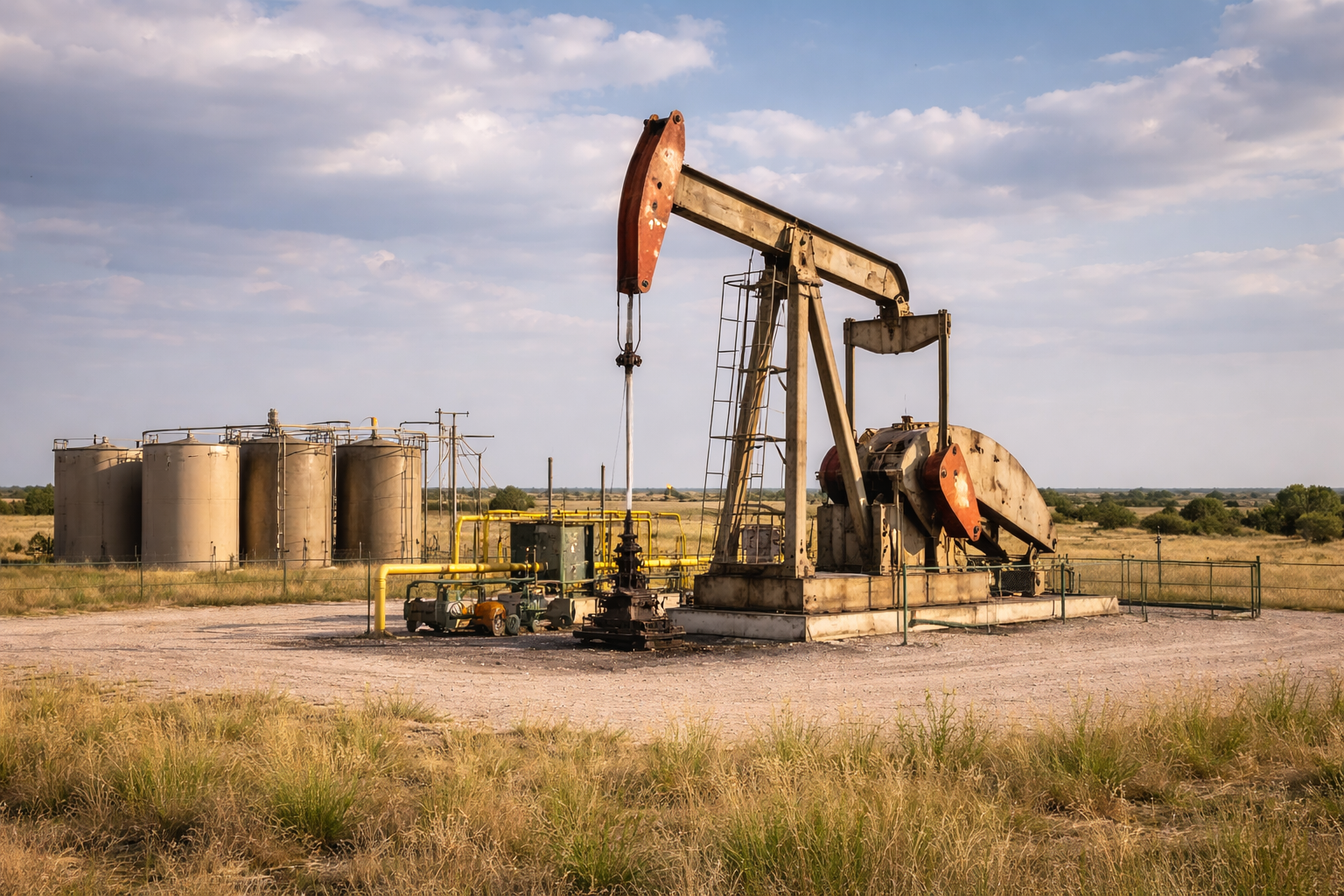
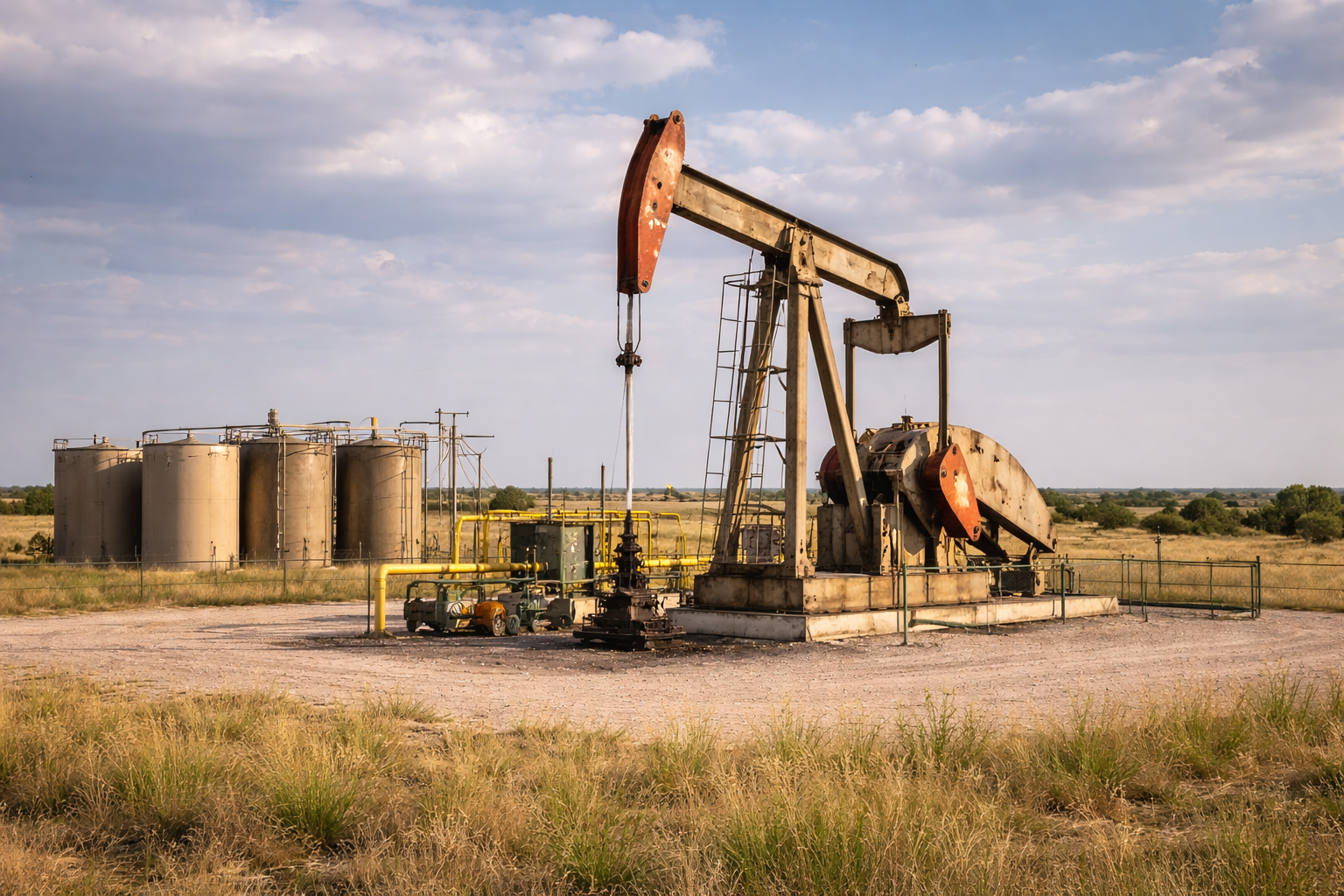
US oil producers are unlikely to significantly increase output in the near term despite elevated crude prices, according to Dallas Federal Reserve President Lorie Logan, underscoring persistent risks to inflation and economic stability.
Speaking at an event hosted by the regional Fed bank on Thursday, Logan indicated that current market conditions have not yet convinced producers to ramp up drilling, even as oil prices hover well above key breakeven levels.
Oil producers cautious despite high prices
Logan noted that while oil prices are currently around $110 per barrel, US producers typically require sustained price levels near $70 per barrel to justify new drilling investments.
However, she emphasized that price levels alone are not enough to trigger increased production unless companies are confident that those prices will hold over time.
US oil firms “need to have a sense that those higher prices are going to stay around for a while, and so I am not hearing that we’re going to see a dramatic increase in production here in the short run,” she said.
This cautious stance suggests that consumers may not see relief from elevated gasoline prices anytime soon, particularly as geopolitical tensions tied to the Iran conflict continue to support higher energy costs.
Inflation concerns remain front and center
Logan reiterated that inflation remains a primary concern for policymakers, even before the recent surge in energy prices.
“On the inflation side, even before the conflict in the Middle East, I wasn’t convinced that we were headed on a path all the way to our 2% target,” she said. “It’s incredibly important to restore price stability, to get inflation back to 2% because stable inflation is just the bedrock for a strong economy.”
The ongoing conflict has added another layer of complexity to the Federal Reserve’s outlook, raising the risk that higher energy costs could feed into broader price pressures.
While central banks often look through energy-driven inflation due to its temporary nature, the persistence of above-target inflation has increased concerns that these effects could become more entrenched.
Estimates from Capital Economics suggest that the indirect impact of rising energy prices could add as much as 0.7 percentage points to US inflation, with even larger effects in other major economies.
Fed faces policy uncertainty amid geopolitical risks
Logan highlighted the growing uncertainty facing policymakers, noting that the evolving geopolitical situation is complicating the Fed’s dual mandate of controlling inflation while supporting employment.
“The war has increased our level of uncertainty about the economy and the outlook, it’s made our jobs more complex because it’s increasing risks on both sides of our mandate,” she said.
She added that a prolonged conflict could create opposing pressures on inflation and growth, making policy decisions more difficult.
“I really like thinking about things in scenarios right now,” Logan said. “I think policy is positioned to adjust to the data as it’s coming in, and we’re prepared to make adjustments to the policy path as appropriate.”
The Federal Reserve has already cut interest rates by 75 basis points last year and currently maintains its benchmark rate in the 3.50%–3.75% range.
Policymakers have signaled expectations for one rate cut in 2026, but rising inflation risks have fueled speculation that tighter policy could be needed.
Logan concluded that the economic impact of the conflict will depend heavily on its duration, with a quick resolution likely to have a “moderate” effect, while a prolonged war could result in more “adverse” consequences for both inflation and growth.
https://invezz.com/news/2026/04/02/why-oil-at-110-wont-boost-output-feds-logan-warns-on-inflation/
