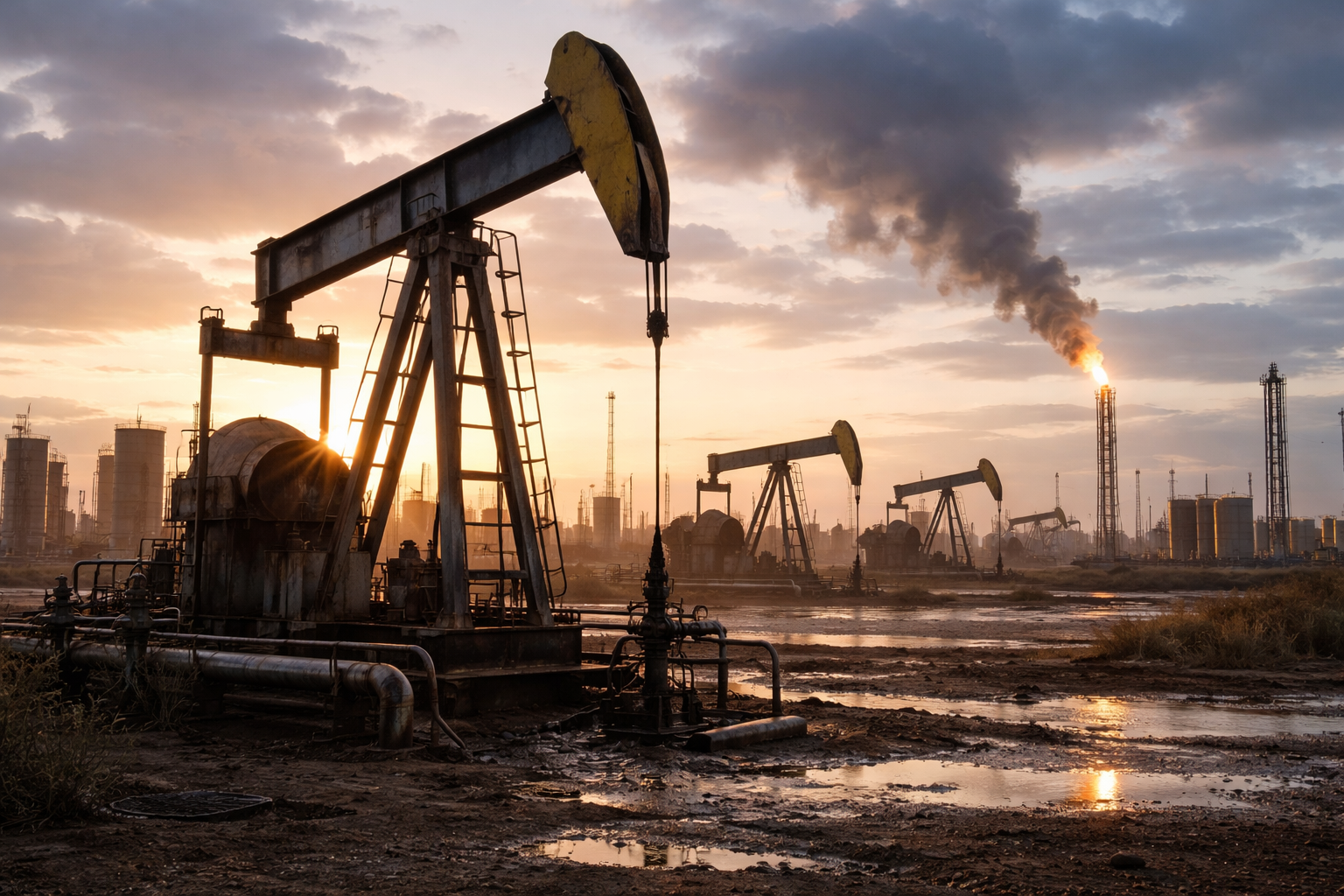
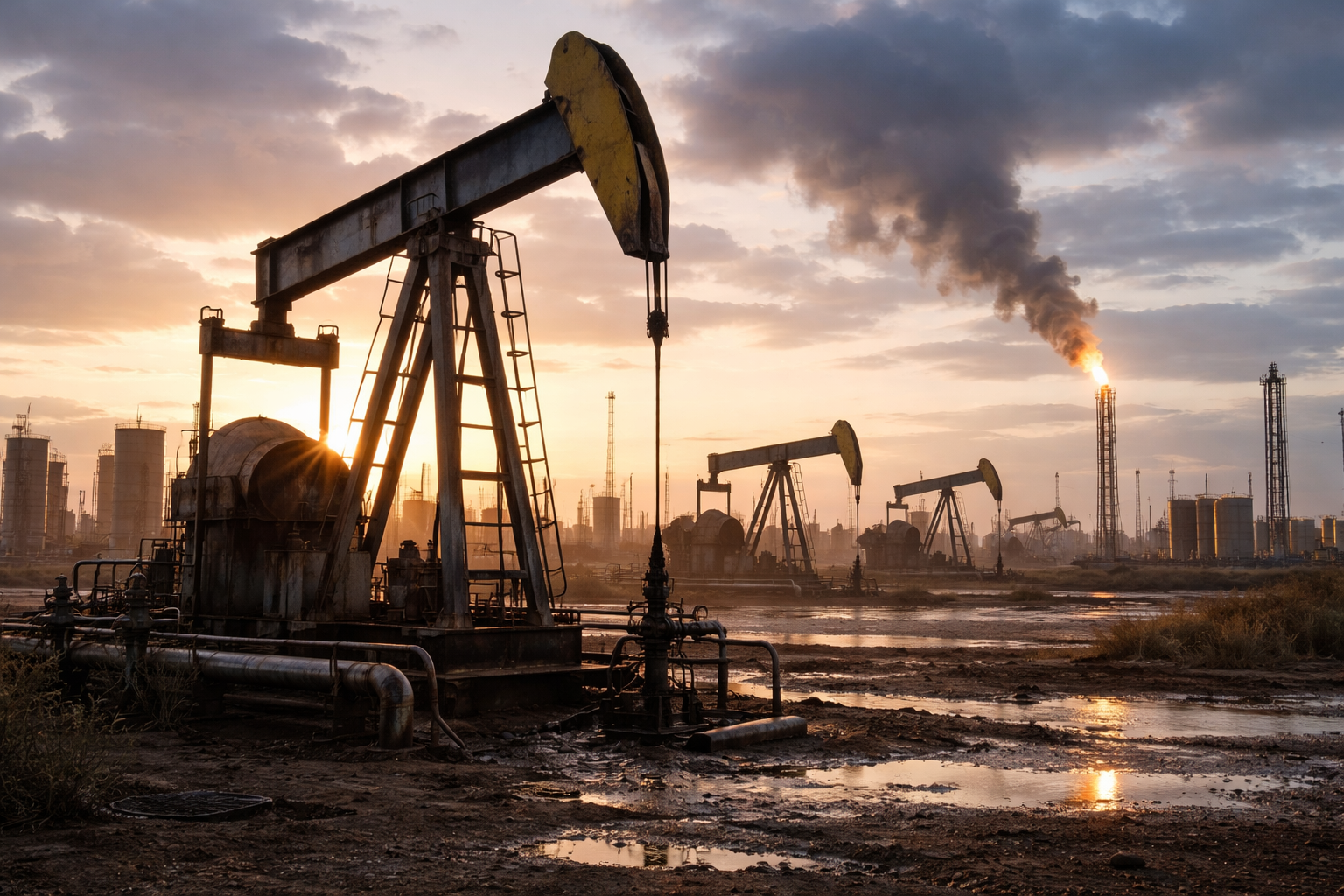

Oil prices rose on Monday after US President Donald Trump threatened to strike Iranian civilian infrastructure unless Tehran allowed the Strait of Hormuz to remain open by Tuesday evening, before subsequently walking back the immediacy of any military action.
Gains were tempered on Tuesday after the European Union offered to allow Iran to resume oil sales in exchange for concessions on its nuclear programme, easing some of the supply anxiety that has gripped energy markets since the conflict began on 28 February.
US crude for May delivery gained 93 cents, or 2.22%, to $114.46 a barrel, while Brent for June delivery on the London futures market advanced 54 cents, or 0.48%, to $110.36 a barrel.
White House sets a Tuesday deadline
Trump said on Monday that the US would target Iranian power plants and bridges if the Strait of Hormuz remained closed past 8pm ET on Tuesday.
A Pakistani official offered a partial window into back-channel discussions, indicating that Iran had until the following day to reach a deal, and that Tehran’s leadership was negotiating in good faith and drawing support from a number of countries seeking a peaceful resolution.
Also Read: Top S&P Index news to watch this week: US-Iran war, US CPI, earnings
Talks reported as proposals diverge
The US and Iran appeared to be working towards a framework to end the five-week conflict, but significant gaps remained.
Iran has rejected a US ceasefire proposal and put forward a 10-point counter-plan that includes a protocol for safe passage through the Strait of Hormuz, the lifting of sanctions, and reconstruction commitments.
Tehran has so far refused to immediately reopen the waterway — a condition Washington has treated as non-negotiable — an Iranian official told Reuters.
Strait closure fuels supply shock
The closure of the Strait of Hormuz, which handles a substantial share of global daily oil trade, has driven up prices across the energy complex, including crude, jet fuel, diesel, and petrol.
Shipping traffic through the waterway has remained far below pre-conflict levels, though some movement has resumed.
Eight oil product tankers transited Turkey’s Bosphorus Strait on Monday, according to S&P Global Market Intelligence data — a modest but notable uptick, even if volumes remain only marginally above the threshold that market participants regard as critically low for a corridor of this strategic importance.
Energy markets remain focused on two overlapping uncertainties: whether Iran and the US can bridge their differences before hostilities escalate further, and whether the trickle of tanker traffic through the Hormuz corridor can be sustained or expanded.
Any OPEC response to the supply shock and the pace of nuclear negotiation progress will also influence how far and how fast prices move in either direction.
https://invezz.com/news/2026/04/07/trumps-tuesday-ultimatum-sends-oil-prices-past-114-a-barrel/