


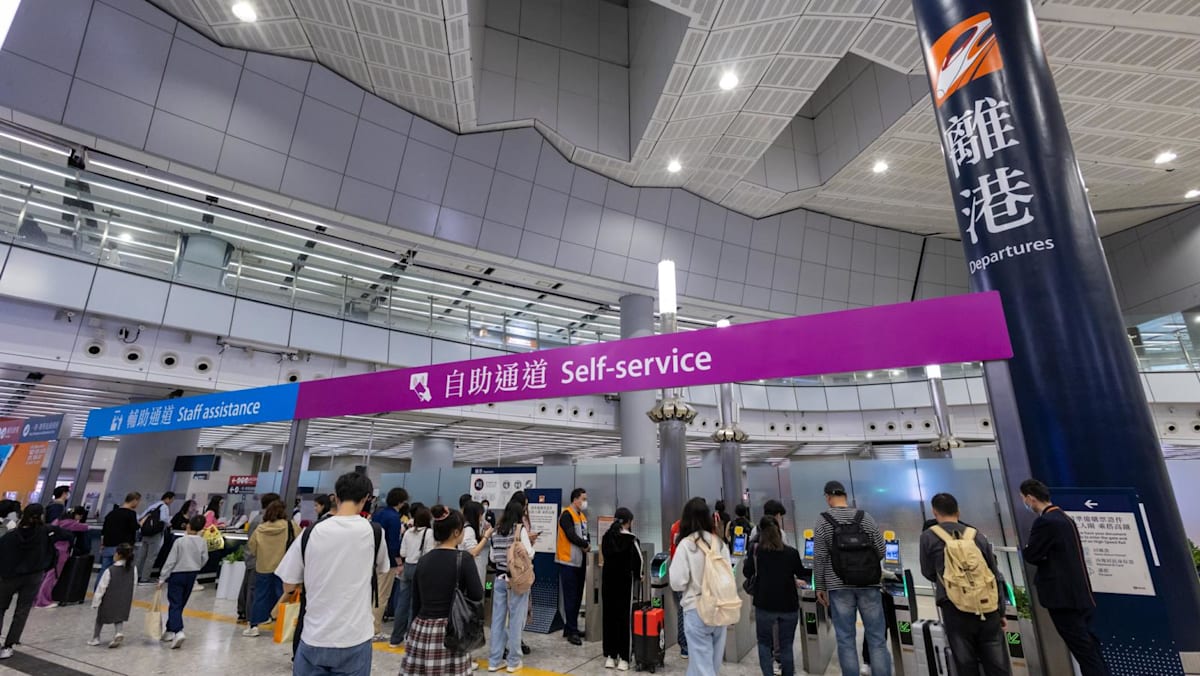
More than 30 million passenger trips were recorded on Hong Kong’s cross-border high-speed rail last year, a record high and a 17 per cent increase from 2024, MTR said in January.
Adding more long-distance destinations is set to boost Hong Kong’s tourism industry as travellers from those places are more likely to stay overnight and spend more, said Sara Leung Fong-yuen, chairwoman of the Hong Kong Tourism Industry Employees General Union.
“Only tourists who stay overnight can bring greater economic value. They will spend more on accommodation, eat more meals and have a bigger appetite to shop,” she said in remarks carried by SCMP.
“It’ll bring the industry closer to achieving business growth similar to pre-pandemic levels.”
DAILY SLEEPER SERVICES TO SHANGHAI
Beyond adding new destinations, Hong Kong’s rail operator is also strengthening existing services by increasing train frequencies on selected routes from Jan 26.
The high-speed rail network already serves a number of major mainland Chinese cities, including Beijing, Shanghai, Guangzhou and Shenzhen.
The popular overnight sleeper service between Hong Kong and the Hongqiao transport hub in western Shanghai – an eight-hour journey – will be expanded to daily departures. It currently operates from Fridays to Mondays.
“This enhancement responds to strong passenger demand, offering greater flexibility to travellers planning trips to Shanghai,” MTR said.
“Travellers can take advantage of the sleeper train’s ‘depart in the evening, arrive in the morning’ experience and wake up refreshed at their destination.”
An additional pair of round-trip trains will also operate daily between Hong Kong and Shanghai Hongqiao station from Jan 26, stopping at Hefei, Nanjing and Wuxi.
In total, three daily train pairs will link the two financial hubs, further supporting both business and leisure travel, MTR said.
More daily trains serving other routes, including those to Guangzhou and Shantou, will also be added.
Since its launch, the high-speed rail has been widely welcomed by the community, said MTR CEO Jeny Yeung.
“MTR has worked closely with governments of the two sides, as well as the mainland railway authorities, to continuously add new destinations and enhance services, further facilitating cross-boundary travel, unlocking the economic potential of HSR (high-speed rail) and supporting national development,” said Yeung.
https://www.channelnewsasia.com/east-asia/hong-kong-high-speed-rail-mainland-china-new-destinations-tickets-5855256
