


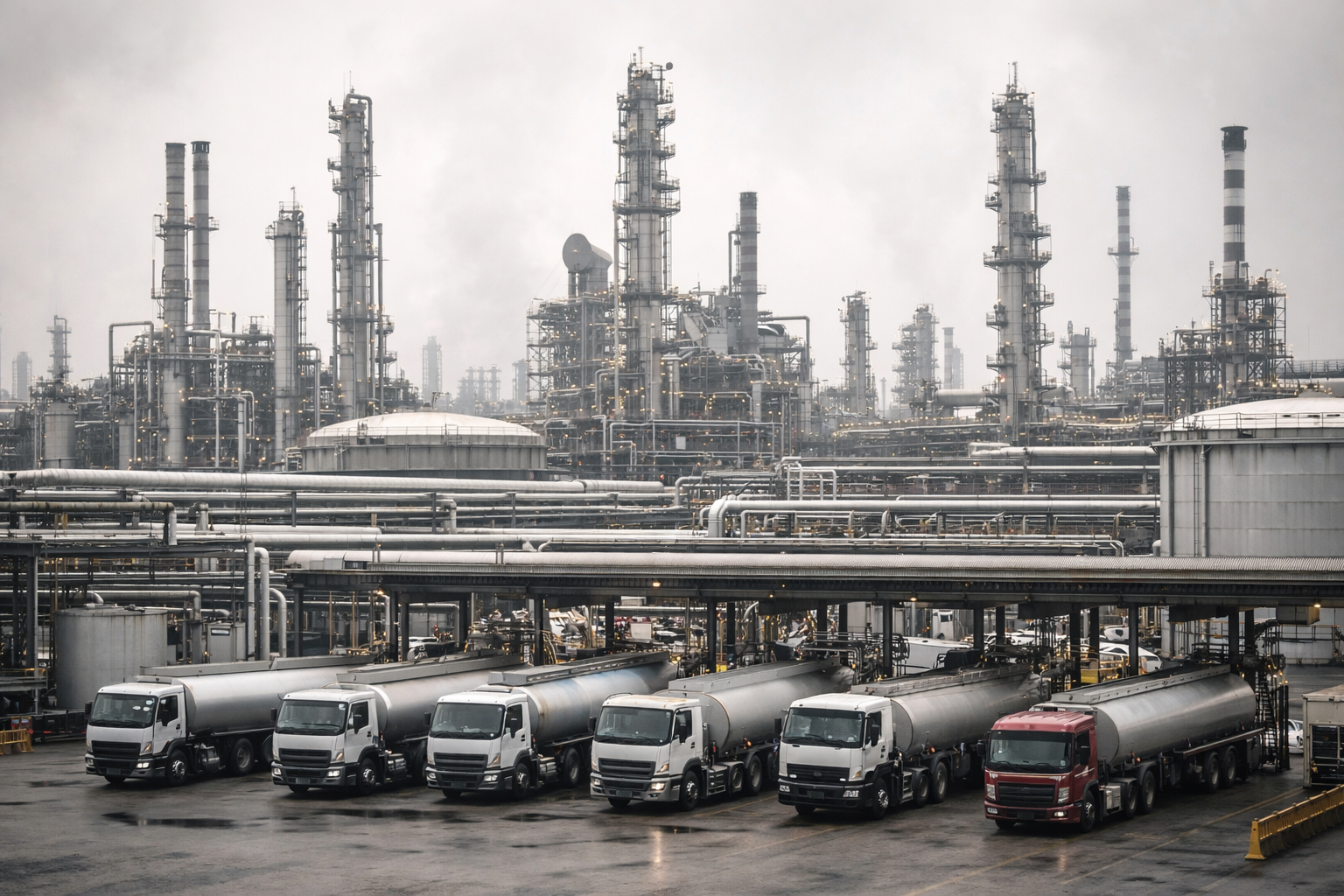
Russia has barred domestic gasoline producers from selling fuel abroad until at least the end of July, the government said on Wednesday.
The authorities are seeking to keep prices in check during the summer travel season and shield the home market from the pull of elevated global oil prices.
What Russia announced
The export ban applies to domestic gasoline producers and will remain in force for at least three months.
The government framed the measure as a safeguard against what it described as unfair profiteering from domestic fuel price rises by organisations operating within Russia.
The Minister of Information and Media confirmed that the restriction will not apply to countries that hold inter-governmental fuel supply agreements with Moscow: Mongolia, which signed such an agreement in 1998, is among those exempt.
Why the government acted now
Fuel availability has already come under strain in several Russian regions, including Belgorod, where demand has surged due to the agricultural sowing season and rising global oil prices.
Several Russian regions and parts of Ukraine under partial Russian control ran short of petrol last year, with shortages exacerbated by Ukrainian strikes on Russian refineries and a seasonal spike in demand ahead of summer.
Russia has moved twice in recent months to restrict gasoline and diesel exports in response to domestic price pressure and supply tightness, and shipped around five million tonnes of petrol abroad last year, according to industry sources.
Who is affected
Domestic gasoline producers will be unable to sell fuel to foreign buyers for the duration of the ban, with the exception of those covered by inter-governmental supply agreements.
The government will prioritise allocation to the home market to contain prices during the peak consumption period and has indicated it will release fuel at controlled prices where necessary, as it did with petrol the previous month.
Russia tightens fuel control
The export ban follows a pattern of temporary quantitative trade restrictions that Russian authorities have deployed before — including on grain — when domestic supplies are under pressure or price rises risk becoming politically sensitive.
The measure is designed to be lifted once seasonal demand normalises and global oil prices stabilise.
The key variables are the pace at which global oil prices move and how quickly domestic demand eases after the summer peak.
Any fresh disruption to Russian refinery capacity — whether from infrastructure damage or maintenance — could complicate the government’s ability to keep shelves supplied even with exports curtailed.
Authorities are expected to maintain close oversight of sugar and other agricultural commodity supplies to head off a repeat of last year’s shortages, Reuters reported.
https://invezz.com/news/2026/04/02/russia-bans-gasoline-exports-to-curb-prices-as-summer-demand-surges/
