








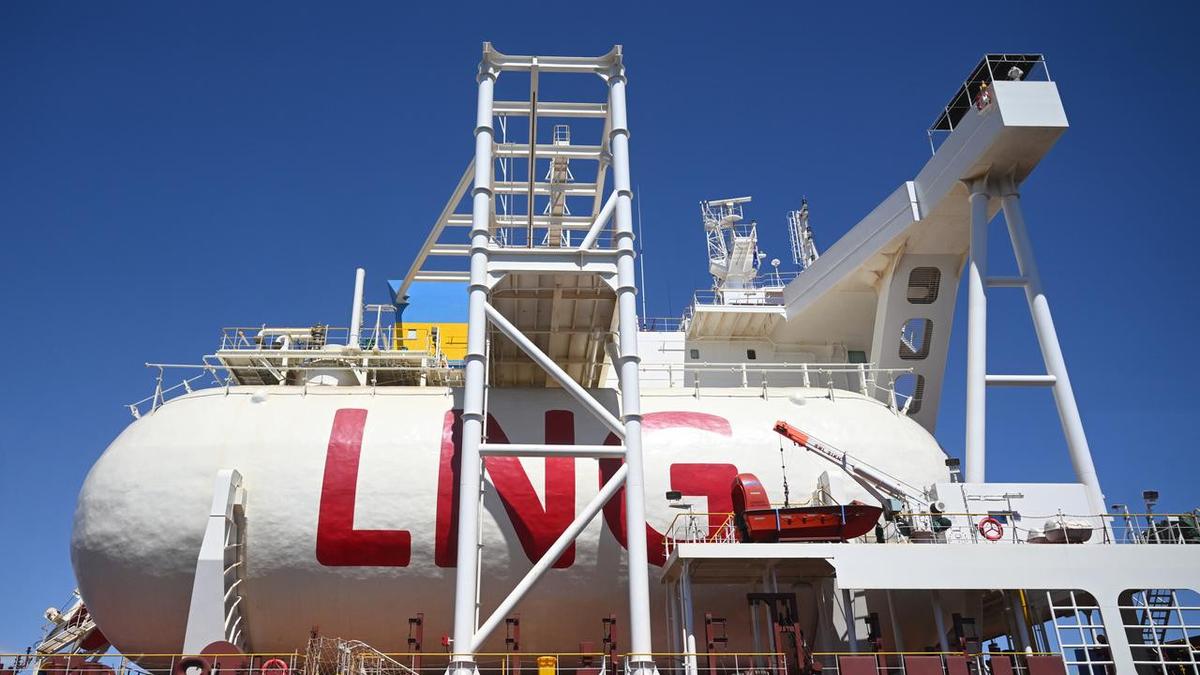
Australia is set for a gas reservation scheme that covers the eastern states that will force producers to reserve a portion of the gas they extract for local use. Here’s what to expect.
THE BASICS
* Exporters will have to reserve between 15 per cent and 25 per cent of gas production for the domestic market, with the required proportion to be settled after consultation
* This would amount to somewhere between 200 petajoules and 350 petajoules a year, volumes the federal government say will cater to forecasted gas shortfalls and exert “downward pressure” on prices
* Western Australia, which runs a separate gas network, already has a working reservation scheme
* The scheme will work through permits and will not be applied retrospectively, instead covering new contracts from Monday with the plan to start operating in full by 2027
* Not applying the scheme retrospectively allows contracts with overseas gas buyers to be honoured and addresses concerns of “sovereign risk”
* The gas reservation scheme was the key recommendation from a Gas Market Review
* Details of the policy will be subject to a lengthy consultation process with industry
THE WHY
* Australia presently has enough gas to meet its domestic demand but regulators have been warning of shortfalls later in the decade
* That’s despite Australia having an abundance of gas reserves and resources, with total gas production roughly four times what is consumed domestically each year
* The vast majority of Australia’s gas pumped out of the ground is exported to overseas customers in Asia and elsewhere as liquefied natural gas (LNG) through long-term contracts
* Domestic gas prices have also climbed significantly, putting pressure on manufacturers, which use the fuel to produce goods, and households that use it for heating and cooking
* High gas prices also feed into higher electricity prices as the generators used to cover times of peak demand are expensive to run
* There are a number of reasons price growth has happened, including that most of the cheapest gas to extract that is close to cities has already been burnt
* The advent of the east coast LNG industry in Queensland in 2014 also plays a role, the Gas Market Review finds, causing domestic gas prices to be linked to international benchmarks
* Market concentration is another driver of high prices
THE HOW
* There are still many details to be ironed out during consultation but Energy Minister Chris Bowen is confident the gas reservation scheme will address predicted shortfalls in supply
* No specific figures have been provided by the government on gas price improvements but the minister assures the scheme will exert “downward pressure” by slightly oversupplying the domestic market
* Mr Bowen has acknowledged that price improvements are limited by fast-depleting sources of cheap gas extraction, particularly in the Bass Strait
* Getting gas where users live is another challenge that can influence prices, with pipeline infrastructure and storage facilities in need of upgrading
* Lower gas prices do work against goals to curb greenhouse gas emissions and shift towards electrification, as it will only encourage more use of the fossil fuel
https://thewest.com.au/business/energy/reservation-scheme-just-one-piece-of-complex-gas-puzzle-c-21097354


