


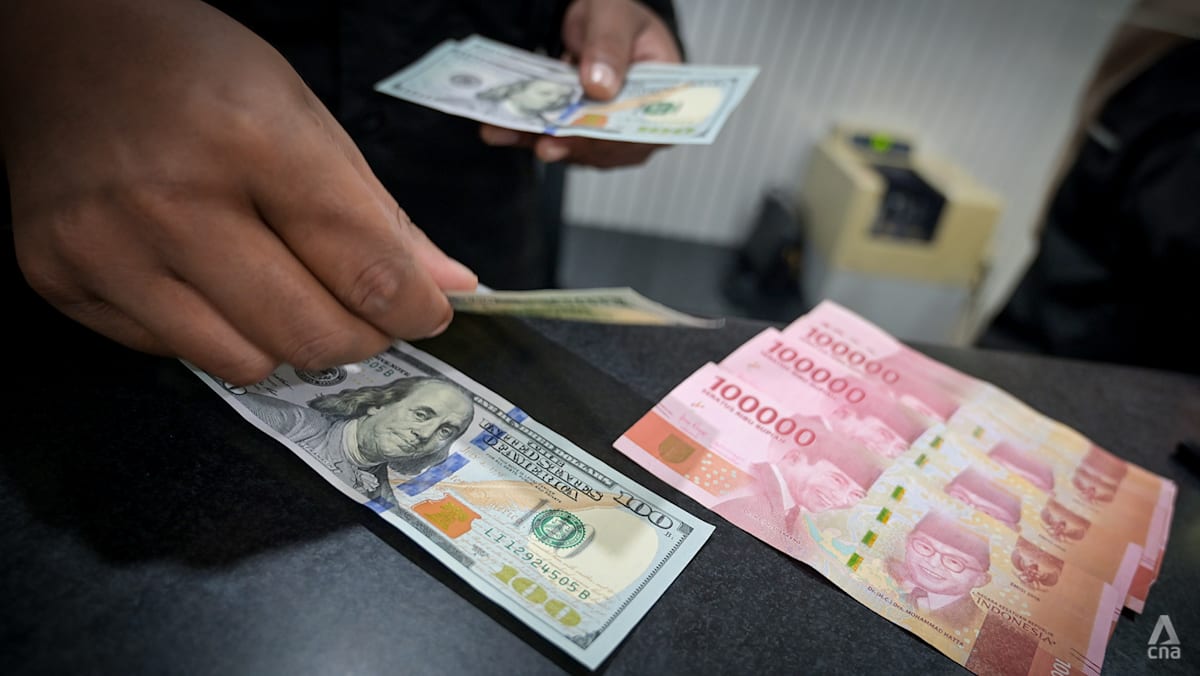
Economists told CNA that the local tourism sector may see more international tourists visiting popular destinations like Bali, although the sector could see rising operating costs.
Mohammad Faisal of CORE Indonesia, warned that domestic air travel remains expensive and high logistical and transportation costs, particularly domestic transport costs, may add to tourism operational costs.
Malaysian Yoganantha Kanagasabi, 30, is planning an eight-day trip to Bali next month and said that the weaker rupiah will not significantly affect his spending.
“To be honest, the thought of having a stronger currency has tempted me to spend a bit more than my intended budget,” Kanagasabi said.
“But considering the currency exchange across (the board) and how items, services, transport in Bali itself is way higher than other parts of Indonesia, in a bigger picture I perceive my expenditure hasn’t (been) affected all that much,” he added.
Sutrisno, a manager at Ginza Textile Batam who, like many Indonesians, goes by one name, said business has picked up over the past year as the weakening rupiah makes shopping in Batam cheaper for foreign visitors.
He added that more than half of his customers are now Singaporeans, many of whom cross over on weekends for affordable tailoring.
“We do hope that from the government’s side, the tourism sector will be developed further so people will spend more money here,” he added.
Bhima of CELIOS stressed the urgency of tourism promotion and improvements to tourism infrastructure.
“Recently, tourists have complained about traffic jams and flooding when visiting Bali. Flights options are also still limited compared to tourist destinations in Vietnam and Thailand,” he added.
Last month, Indonesia’s Meteorology, Climatology and Geophysics Agency issued an extreme weather alert for the Bali province from Dec 11 to 18 last year, after heavy rain triggered flooding on the Bali west coast.
https://www.channelnewsasia.com/asia/indonesia-rupiah-weaken-record-low-tourists-businesses-economy-5875991
