


Global oil markets were thrown into turmoil as disruptions to critical supply routes through the Strait of Hormuz caused oil prices to surge dramatically, widening price gaps between different crude grades, refined products, and futures contracts.
The price differential between Brent and West Texas Intermediate (WTI) crude oil has recently expanded, reaching a peak of $9 per barrel.
This is a significant gap, which has not been surpassed since the summer of 2022.
This comparison specifically excludes temporary market “distortions” that can occur when commodity contracts are rolled over from one expiry month to the next.
Divergence in supply-demand
The widening spread suggests a divergence in the supply-demand dynamics or regional market perceptions between the two global oil benchmarks, with Brent being relatively stronger and WTI being relatively weaker.
“The reason for this is that, as an international benchmark, the Brent oil price is more affected by supply disruptions from the Middle East than the WTI oil price,” Carsten Fritsch, commodity analyst at Commerzbank AG, said in a report.
“The latter is also being held back by high US oil production.”
Crack spreads, which are the price differences between crude oil and its refined products, also saw a sharp increase.
Specifically, the gasoil crack spread in Europe reached its highest point since August 2023, peaking at over $40 per barrel, according to Commerzbank’s data.
“This is because the reduced availability of crude oil is already leading to restrictions on crude oil processing in refineries in Asia, which means that fewer oil products can be produced and exported,” Fritsch added.
Diesel and jet fuel cracks
Deliveries of oil products from the Gulf region have also been interrupted.
“Europe must therefore cover its import needs even more heavily from the US, where diesel has also become significantly more expensive,” Fritsch noted.
The crack spread for US diesel versus WTI has risen to approximately $70 per barrel, driven in part by the sharp increase in jet fuel prices.
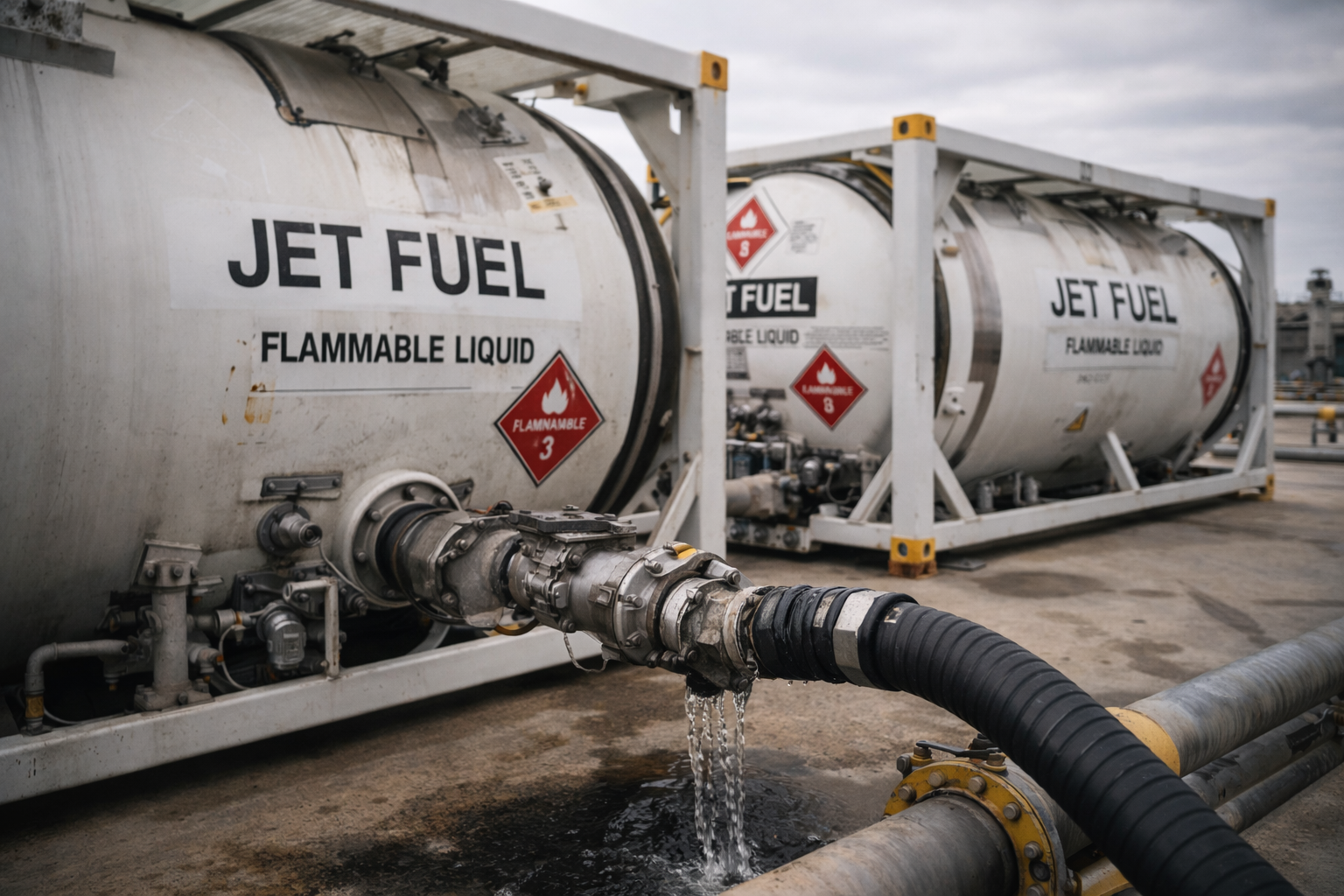
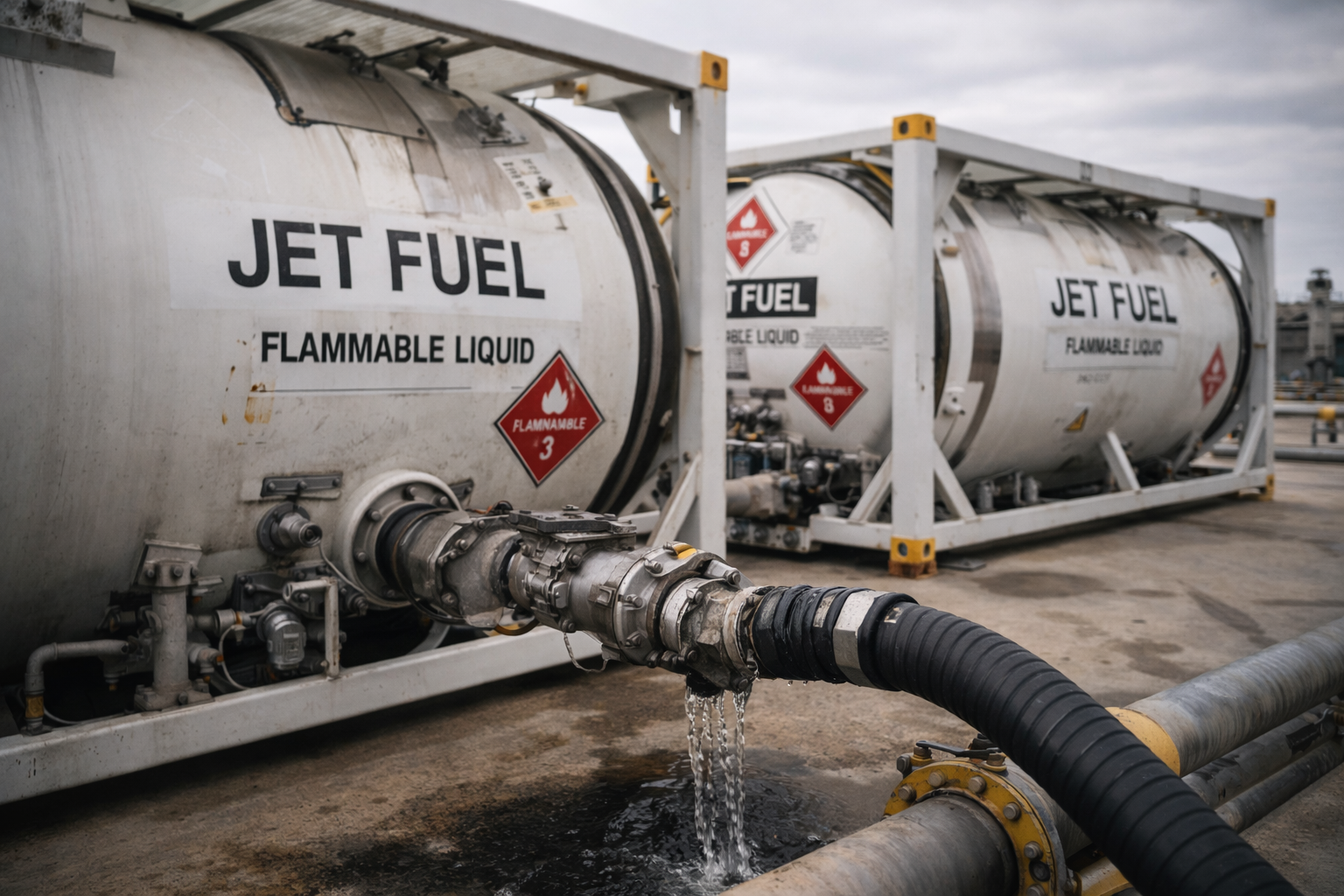
The price of jet fuel is notably high, commanding a premium over Brent crude of nearly $900 per ton, which translates to about $100 per barrel.
Concerns regarding the regional supply of jet fuel have led to the most significant changes in jet fuel cracks.
Approximately 23% of the worldwide seaborne jet fuel trade passes through the Strait of Hormuz.
Refiners in other regions will also be forced to reduce their run rates due to disruptions in their crude supply.
“This will further tighten the jet fuel and broader refined-product markets,” analysts at ING Group said in a note.
“It is difficult to see the recently elevated levels and volatility in cracks disappear until there are signs of an imminent resumption of flows through the Strait of Hormuz.”
Crude and gasoil cracks
Additionally, this week saw a significant widening of the time spreads for both crude oil and gasoil, meaning the price differentials across their respective forward curves increased notably.
The spread between the first two Brent forward contracts stands at $4.5 per barrel.
Furthermore, the difference in price between the nearest expiring contract and the one-year forward contract exceeds $15 per barrel, according to Commerzbank.
The forward curve for gasoil shows a difference of $80 per ton between the first two contracts.
The spread widens significantly to approximately $400 per ton between the next due contract and the one-year forward contract.
The price premiums for immediate deliveries of Brent and gasoil have not been higher since the spring and summer of 2022, which followed the beginning of the war in Ukraine.
“This points to a tighter supply situation due to the war in Iran,” Fritsch added.
Meanwhile, ongoing supply concerns were exacerbated by China’s directive for refiners to halt the export of diesel and gasoline, which provided additional support to refined product cracks on Thursday.
In 2025, China exported 8 million tonnes of gasoline and 6.7 million tonnes of diesel.
The concern is the potential for other nations to implement similar measures.
“It would not be unreasonable to expect India to make a similar move, given its track record of taking protectionist measures amid supply concerns (though more so in food and agri markets),” ING analysts said.
“This would provide further upside to middle distillates.”
https://invezz.com/news/2026/03/07/oil-turmoil-widens-brent-wti-gap-drives-diesel-jet-fuel-cracks/
