


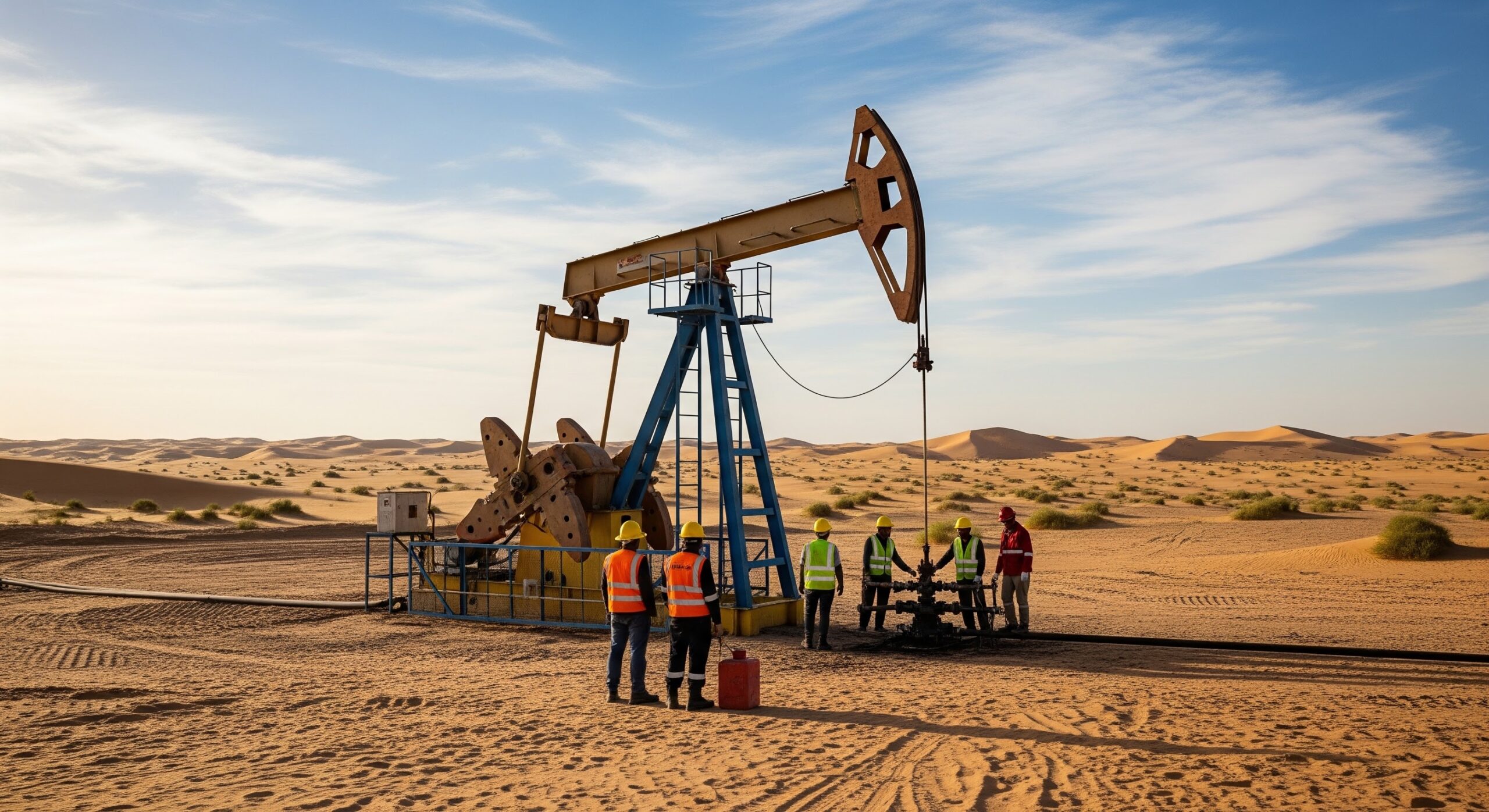
Oil prices surged by more than 3% despite the International Energy Agency’s announcement of a record release of 400 million barrels of crude from its strategic reserves.
Both West Texas Intermediate and Brent crude oil benchmarks shrugged off the news of the massive release and focused on the supply constraints in the Strait of Hormuz.
Meanwhile, gold and silver prices slumped after registering gains earlier on Wednesday. A stronger dollar against a basket of major currencies weighed on demand for the metals.
The base metals markets commenced trading on Wednesday, with the overriding mood being set by the escalating supply crisis in aluminium.
This shock is a direct consequence of the ongoing Iran conflict, which continues to fundamentally alter established global trade dynamics.
At the time of writing, the three-month aluminium contract was at $3,455 per ton, up 1.8% from the previous close.
Oil shrugs off IEA news
The global benchmark, Brent crude futures, rebounded to $90 a barrel, recovering from the sharp fall experienced the previous day.
Meanwhile, WTI crude prices also reversed losses from the previous session, and were trading at $86.26 per barrel, up 3.4%.
The IEA announced that it would release a record 400 million barrels of crude oil from its strategic petroleum reserves to rein in prices and bring relief to oil markets.
The proposed volume would exceed the 182 million barrels released in 2022 after the Russian invasion of Ukraine by more than double.
Goldman Sachs analysts, in a client note, estimated that even an 182-million-barrel stockpile release could compensate for 12 days of the anticipated disruption to Gulf exports.
They projected this disruption at 15.4 million barrels per day.
On Tuesday, the US and Israel launched what both the Pentagon and Iranians described as the most intense airstrikes of the war against Iran.
Simultaneously, the US Central Command reported that the US military “eliminated” 16 Iranian mine-laying vessels near the Strait of Hormuz.
US President Donald Trump issued a warning that Iran must immediately remove any mines laid in the Strait.
Despite Trump’s repeated statements that the US is prepared to escort tankers through the Strait of Hormuz when necessary, Reuters sources indicated that the US Navy has declined requests from the shipping industry for military escorts, citing the current high risk of attacks.
Gold fails to defend gains
Gold prices failed to defend early gains on Wednesday as the yellow metal slipped below $5,200 per ounce on a stronger dollar.
A stronger dollar makes commodities priced in the greenback more expensive for overseas buyers.
The US dollar index, which recently saw a 0.3% increase, impacts dollar-priced commodities.
When the US currency strengthens, these commodities become more expensive for individuals holding other currencies.
Gold is frequently viewed as a safeguard against inflation and unpredictability. However, its lack of interest generation makes it less appealing when interest rates are elevated.
Meanwhile, the US consumer price index (CPI) increased by 0.3% in February, according to the latest data.
This figure was consistent with forecasts and represented an acceleration from the 0.2% increase observed in January.
On an annual basis, the CPI rose 2.4% through February, also meeting market expectations.
According to Standard Chartered analysts, it is a common occurrence for gold to face downward price pressure for multiple weeks as market participants look to generate cash.
“We maintain our positive longer-term view, and expect gold to resume its uptrend beyond near-term profit-taking,” they added.
Meanwhile, silver prices on COMEX were at $85.44 per ounce, down 4.7% from the previous close.
https://invezz.com/news/2026/03/11/commodity-wrap-oil-rises-over-3-despite-record-iea-release-gold-falls/
