


Markets have swung from relief to caution as the Iran ceasefire shows fresh signs of strain, keeping oil, equities and policy nerves on edge.
Washington is trying to lock in a diplomatic opening, but the Strait of Hormuz remains only partly usable, regional violence has not fully stopped, and investors are again pricing in geopolitical risk.
Beyond the Middle East, a US court ruling in a closely watched AI dispute also underscored how politics, regulation and national security are increasingly shaping markets.
US troops stay put
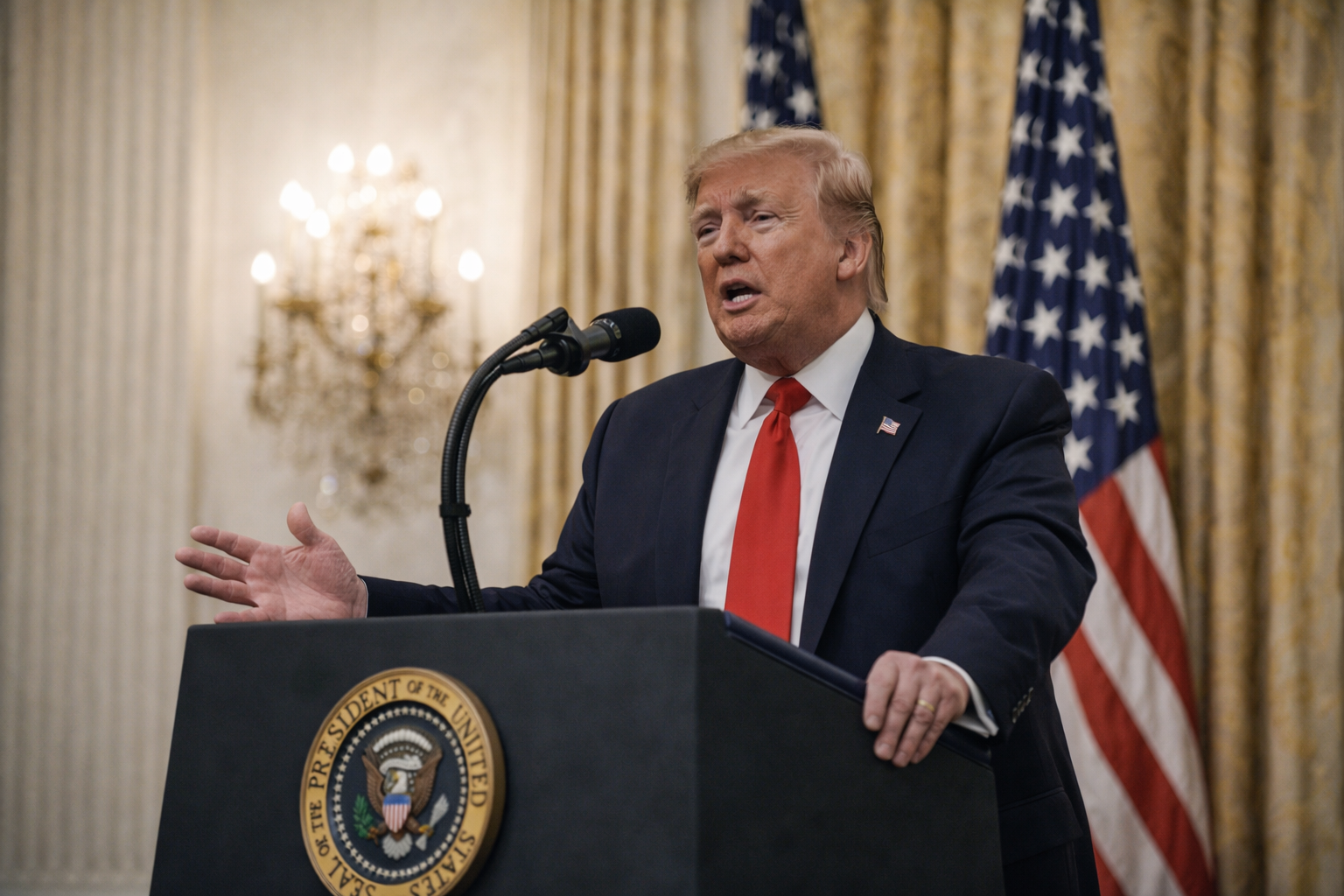
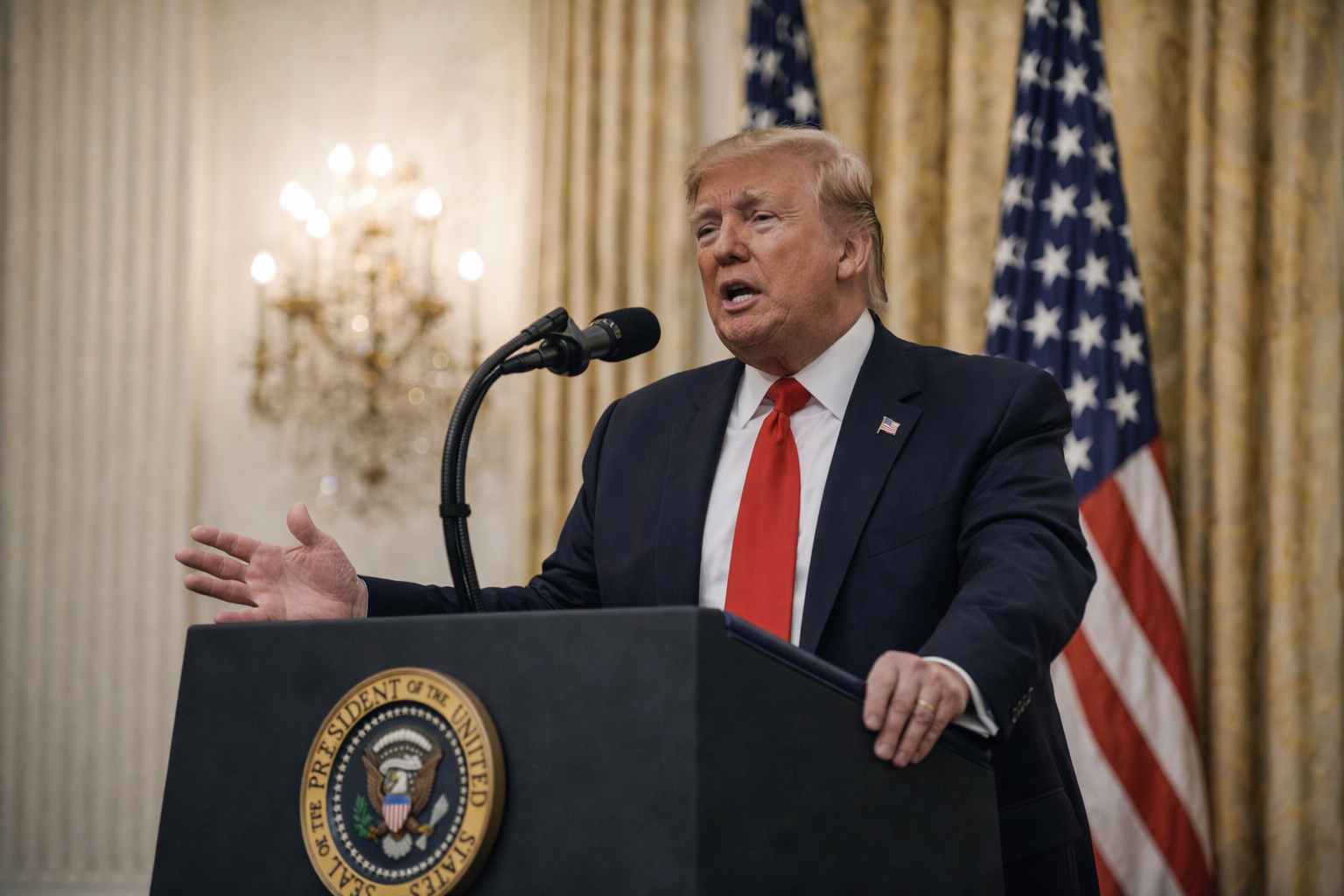
President Donald Trump is keeping US forces in the Middle East on a war footing even after agreeing to a two-week ceasefire with Iran.
Washington has said it is ready to resume military action if diplomacy fails, while Trump is pressing for the Strait of Hormuz to reopen fully and without tolls.
The ceasefire, brokered by Pakistan, has not resolved the core disputes: Iran and the US still differ sharply on uranium enrichment.
Fighting linked to Lebanon has also continued, complicating the effort to turn a temporary truce into a broader settlement.
Oil rebounds
Oil prices bounced higher after an initial ceasefire-driven plunge as traders weighed Iran’s accusation that the US had breached the truce.
US crude rose to about $97.33 a barrel on Thursday, while Brent climbed to roughly $96.86, even after both benchmarks had fallen sharply the previous day.
The key problem is Hormuz: the waterway is still restricted, and shipping remains subject to Iranian permission rather than fully restored open transit.
Goldman Sachs cut its second-quarter oil forecasts to reflect lower immediate risk, but it also warned prices could climb again if disruptions persist or the ceasefire collapses.
Asia wobbles
Asia-Pacific markets turned cautious after Wednesday’s relief rally, with investors pulling back as doubts resurfaced over the durability of the US-Iran truce.
Japan’s Nikkei hovered around flat, South Korea slipped 0.4%, Chinese blue chips fell 0.6%, and the broader Asia-Pacific index outside Japan eased 0.7%.
The shift in mood reflected the same anxiety driving oil higher: even with a ceasefire in place, Hormuz is not fully back to normal and regional fighting has not ended.
Investors are also watching for second-round inflation effects, since energy prices remain far above prewar levels despite the recent pullback.
US court backs Pentagon
A US appeals court declined to block the Pentagon’s blacklisting of Anthropic for now, handing the Trump administration an interim win in a case with wider implications for AI procurement and national security policy.
The D.C. Circuit refused Anthropic’s request to pause a supply-chain risk designation that bars it from Pentagon contracts and could eventually widen into a broader federal exclusion.
Anthropic argues the move was unlawful retaliation tied to its AI safety guardrails and its refusal to let Claude be used for US surveillance or autonomous weapons.
The Justice Department says the decision was grounded in contract terms and operational concerns, not protected speech.
https://invezz.com/news/2026/04/09/morning-brief-oil-jumps-asia-slips-us-troops-stay-on-alert/
