






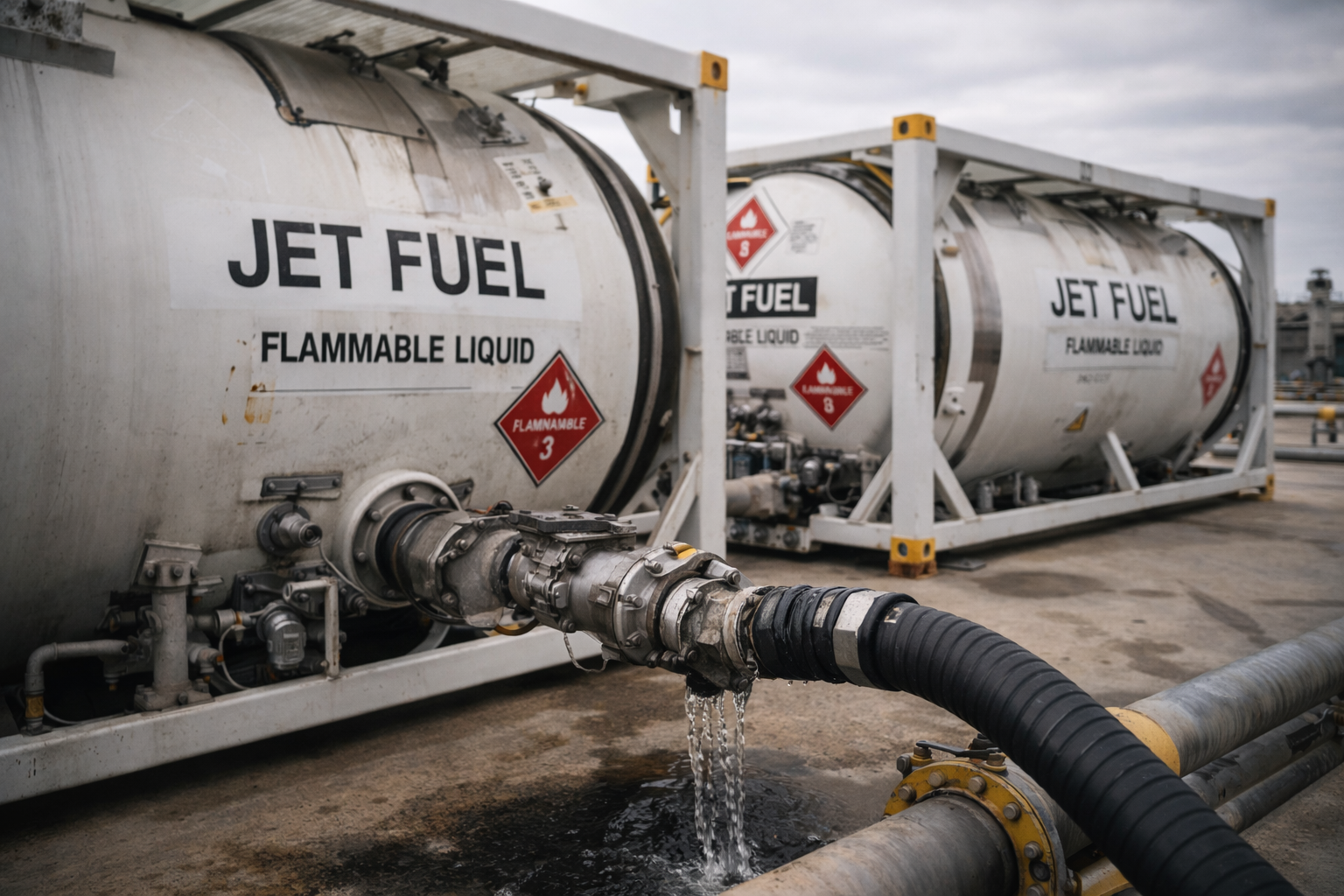
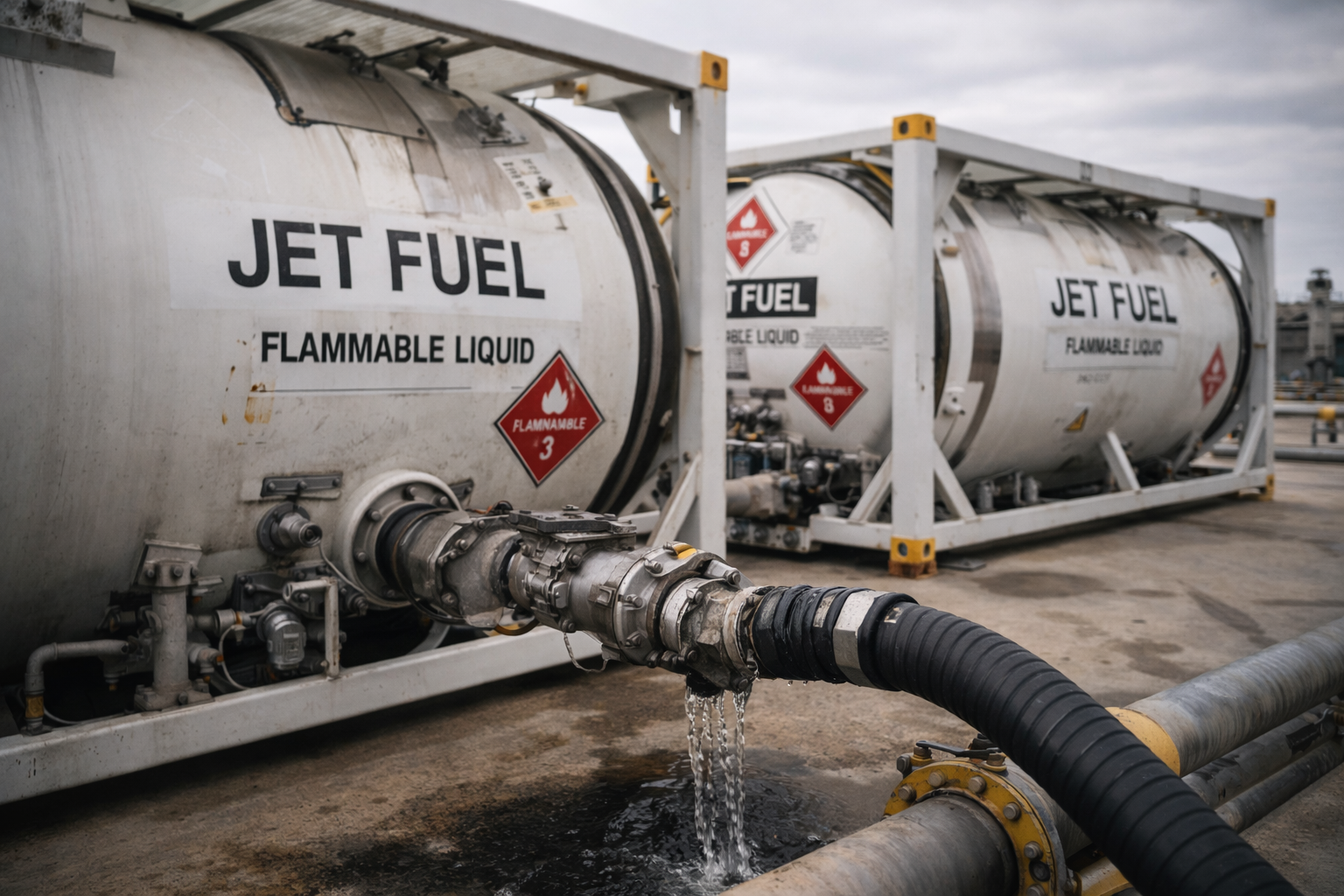

Jet fuel supplies could take several months to recover to pre-crisis levels even if Iran lifts its closure of the Strait of Hormuz, the head of the International Air Transport Association warned.
Refineries across the Middle East — a critical hub for global jet fuel exports — are still struggling to return to normal operations.
The caution came as a two-week Iran–US ceasefire offered a glimmer of hope for energy markets, but industry figures warned against expecting a rapid normalisation of refined fuel supplies.
What IATA and industry leaders are saying
Willie Walsh, director general of the International Air Transport Association, said that disruption to refining capacity in the Middle East would continue to weigh on jet fuel availability even if shipping routes reopen and crude flows resume.
“Even if the Strait reopens, it will take a period of months to get supply back to where it needs to be,” Walsh said, pointing to damage to energy infrastructure and the time required for refineries to ramp up operations.
He added that elevated crack spreads — the margin between crude oil and refined jet fuel prices — would create strong incentives for refiners to increase output once a stable supply of crude is restored.
However, he cautioned that this process would take time and depend on how quickly feedstock flows and operating conditions normalise.
Airlines adapt as supplies tighten
Airlines across Asia have already begun adjusting operations as jet fuel availability tightens.
Carriers have cut flight frequencies, increased fuel loading at origin airports, and, in some cases, added technical stops to refuel mid-route.
The strain has been most acute in lower-income, import-dependent markets across South and Southeast Asia, where supply disruptions have had an outsized impact.
Countries such as China and Thailand have halted jet fuel exports, while South Korea has capped shipments at last year’s levels, further tightening the regional market.
Oil prices and the ceasefire context
Crude oil prices fell below $100 a barrel after US President Donald Trump said a two-week ceasefire had been agreed with Iran, contingent on the immediate reopening of the Strait of Hormuz to oil shipments.
But any easing in crude supply constraints is unlikely to quickly resolve shortages in refined products.
Refiners face a gradual restart process, and trade flows disrupted during the conflict will take time to re-establish, creating a lag between relief in crude markets and any meaningful easing in jet fuel prices.
What could ease the pressure?
Walsh said that a sustained reopening of the Strait and a steady resumption of crude flows would eventually allow refiners to increase production, with high margins encouraging output.
He also expressed hope that major exporters such as China and South Korea would resume overseas shipments once domestic conditions stabilise, helping to ease regional shortages.
Still, a return to normality in jet fuel markets will depend on several conditions falling into place: a durable reopening of Hormuz, reliable crude supply to refineries, and sufficient time for those facilities to rebuild throughput and export capacity.
The pace at which Middle Eastern refineries restore operations, along with the resumption of refined fuel exports from key Asian suppliers, will be critical indicators for the aviation sector.
Airlines with thinner balance sheets and greater exposure to import-dependent markets in South and Southeast Asia remain particularly vulnerable if supply recovery proves slower than expected.
Any breakdown of the Iran–US ceasefire before the two-week window closes would likely delay recovery further, prolonging tightness in jet fuel markets and keeping prices elevated.
https://invezz.com/news/2026/04/08/jet-fuel-supply-recovery-to-take-months-even-as-hormuz-reopens-iata-says/


