






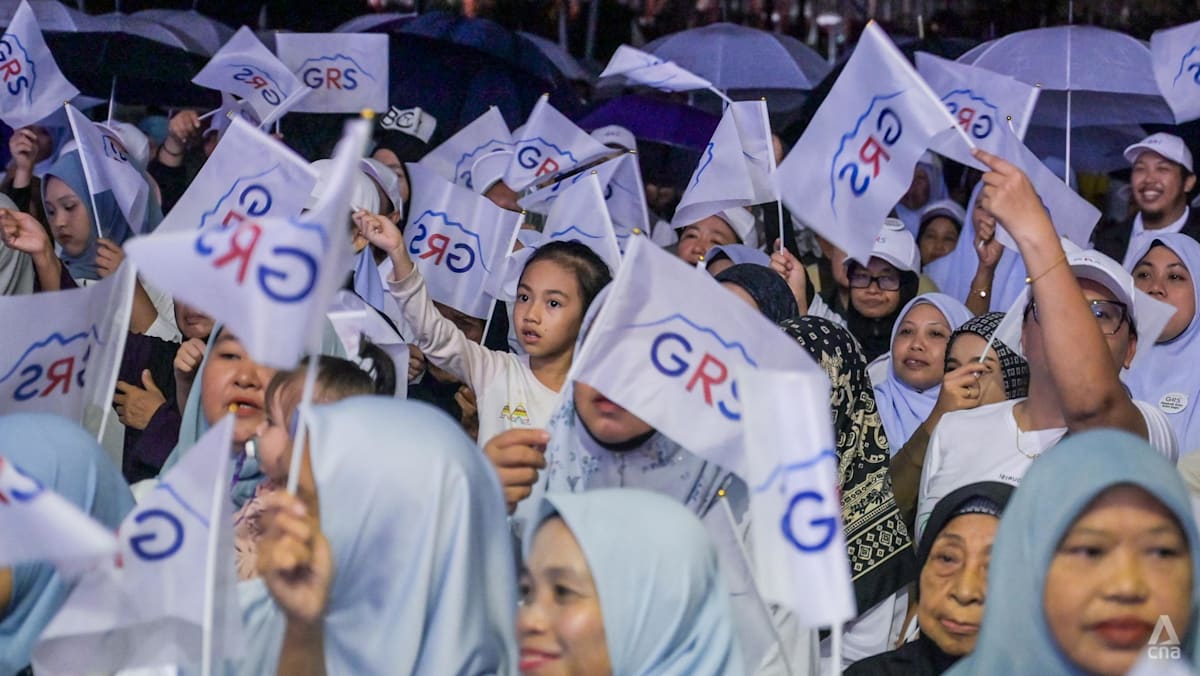
The primary catalyst for the rise is festering historical grievances over MA63. Signed in 1963 as the blueprint for Malaysia’s formation, MA63 promised Sabah and Sarawak a significant amount of political and economic autonomy. Yet, for six decades, the Borneo states have felt shortchanged.
Sabah, despite producing about 40 per cent of Malaysia’s crude oil, receives a pittance of 5 per cent royalty. Sabah consistently ranks as one of Malaysia’s poorest states, with eight districts in Sabah ranked among the 10 poorest in the entire federation. In 2023, Sabah’s gross domestic product per capita was about RM31,000, lagging well behind RM56,000 nationally.
NEW FEDERAL-STATE PARADIGM
What, then, do the Sabah results mean for federal-state relations? It heralds a new era where Putrajaya can no longer take Sabah and Sarawak for granted.
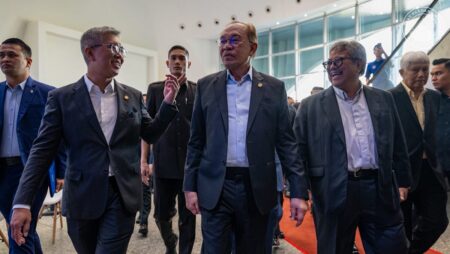
The next general election, expected to be held in 2027, will likely see local parties dominating the Borneo polls. Mr Anwar will need the Borneo Bloc (Gabungan Parti Sarawak, GRS and Warisan) if he wants to stay in power and provide political stability in Malaysia.
This vulnerability should jolt Kuala Lumpur into a comprehensive relook at federalism. The current model, skewed toward centralisation since the 1970s under the strong Mahathir era, has bred resentment.
https://www.channelnewsasia.com/commentary/malaysia-sabah-election-state-autonomy-oil-reset-5499011