






In its ruling, the Constitutional Court said that because lawmakers have adopted public sentiment in favour of retribution and deterrence as legislative goals, this has underpinned the death penalty’s constitutionality.
But critics say constitutional interpretation should not hinge on popular opinion.
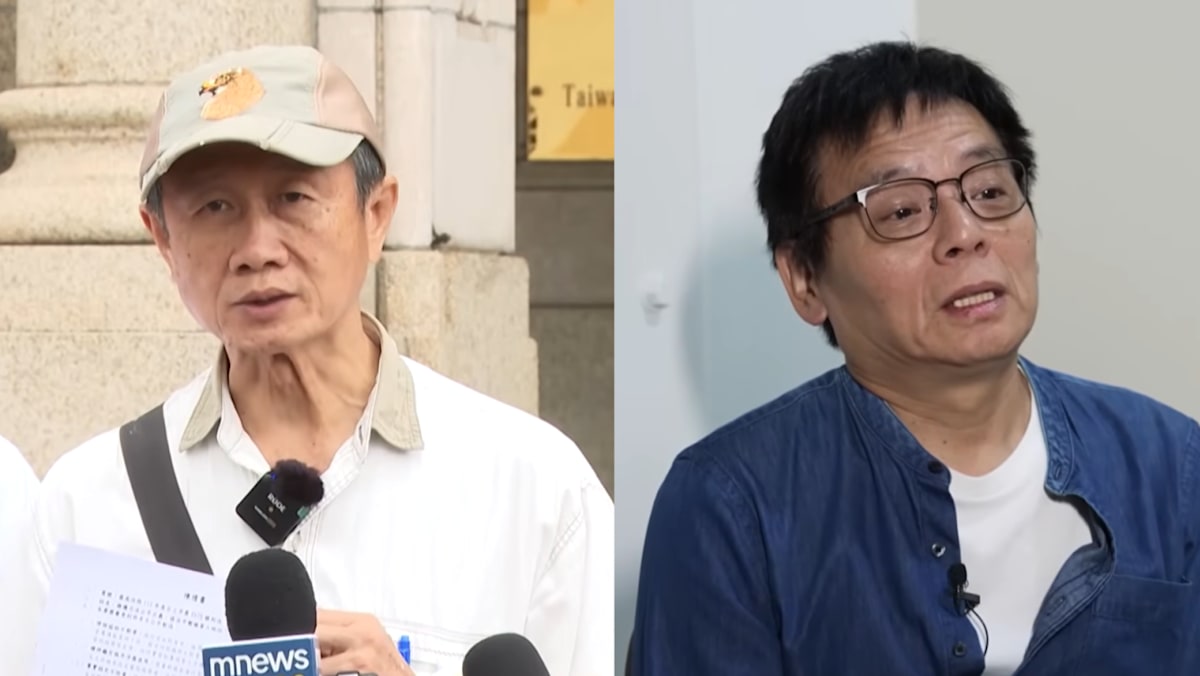
Jan pointed out that the court’s final decision should come from the values and principles of the island’s Constitution.
He added: “‘Public opinion can be taken into consideration, of course, but the justices absolutely cannot say something like: ‘Since 85 per cent of the public supports it, how can the 15 of us go against 85 per cent of public opinion?’
“Thinking this way would mean losing the stature and responsibility that the justices are supposed to have.”
“A KIND OF TORMENT”
Legal scholars say while the court’s ruling upheld the legality of the death penalty, the strict safeguards now make death sentences extremely difficult to impose.
Bill Hsu, a criminal law scholar from Central Police University, noted that there must be intent and multiple casualties. All proceedings must also follow the strictest procedures.
Every capital case now requires a defence lawyer at every stage, and a death sentence can only be imposed if all judges unanimously agree.
But for those already on death row, the uncertainty continues.
“It is a kind of torment. If Taiwan adopts the United Nations Convention Against Torture, we must ask whether this long wait is cruel and inhuman. Some death row inmates say, ‘Just shoot me,’” said Bill Hsu.
On rare occasions, legal scholars or medical professionals may be allowed to observe an execution – usually for research or procedural review – to document whether safeguards are properly followed.
Executions in Taiwan, when carried out, are strictly confidential. Inmates are informed only on the day itself, while families are notified only after the execution has taken place.
Inmates may record a final voice or video message, up to 10 minutes long, which may be given to a designated person within 24 hours after the execution. A religious rite is allowed if requested.
“Once the sentence is final, you know it can happen anytime. If they told you three days in advance – imagine the mental toll. So, the current practice continues,” noted Bill Hsu.
STILL SEEKING CLOSURE
Today, Chang the widower spends his time teaching movement and breathing techniques to cancer patients, singing in a local choir, and completing the dreams his wife never got to fulfil.
One of these dreams was visiting Lake Louise in Canada, which he did with their two children.
“The things she never got to do, I do them for her. The places she never got to go, I go for her. That’s how I’ve made it through,” he said.
https://www.channelnewsasia.com/east-asia/taiwan-death-penalty-divided-debate-constitutional-court-ruling-5896161


