


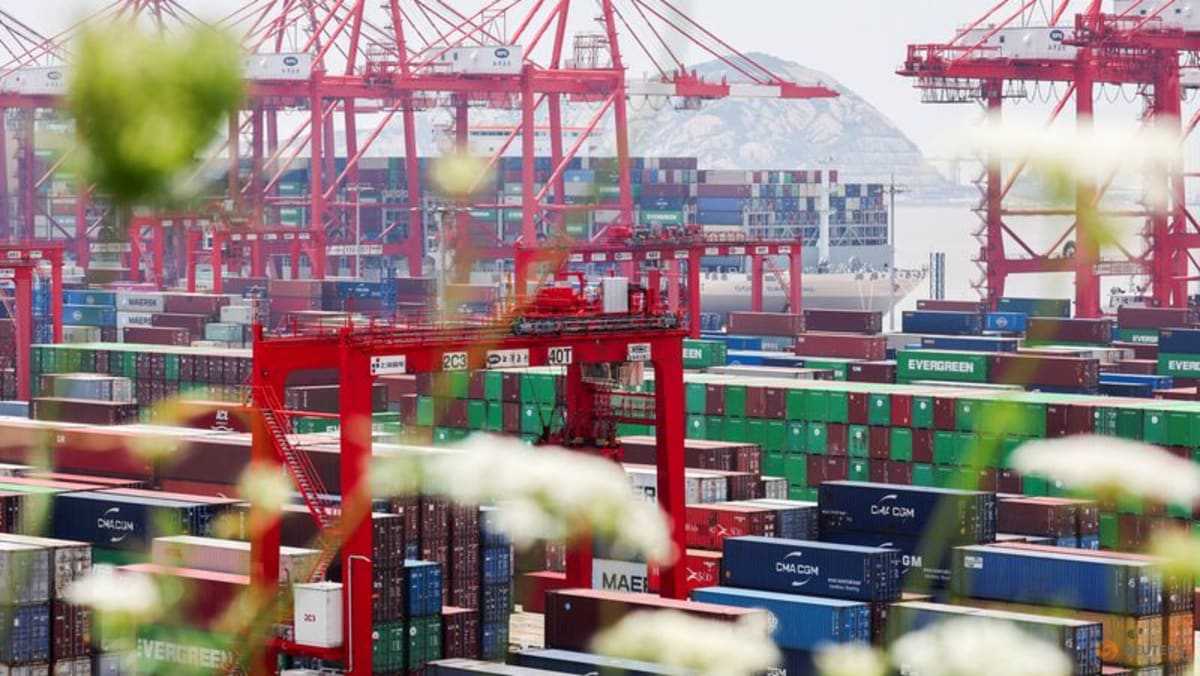
China sold more goods to the world than ever in 2025, but export saleswoman Aimee Chen says it was the hardest of her roughly two-decade career.
After US President Donald Trump’s tariff hikes led to US orders plunging by a third, Chen’s pet products company moved to diversify geographies, chasing new and often lower-income markets like South America. The response mirrored China’s official trade policy, which led to a record US$1.2 trillion surplus for 2025 despite new trade barriers.
Reuters interviews with 14 salespeople working on the frontlines of China’s export diversification push, however, reveal the costs and caveats behind the rosy headline trade figures.
Four of the salespeople said that orders from the new markets were often smaller in volume and less lucrative than US sales, resulting in lower commissions and pay. Government data show profits at China’s industrial firms fell 13.1 per cent year-on-year in November, the fastest pace in over a year.
Many of the employees also described longer working hours as well as greater intensity and uncertainty amid the export boom.
“I’m very anxious,” said Chen, adding that she had recently experienced stress symptoms like hair loss and insomnia.
Mingwei Liu, director at the Center for Global Work and Employment at Rutgers University, said that China’s export strategy in alternative markets depended on firms chasing high volumes of cheap orders. Companies that succeed often give clients longer payment cycles and bear higher default risks, he said.
“This market reorientation increases the labour intensity, the emotional burden and income uncertainty faced by workers in export sales,” Liu said.
China’s commerce ministry and human resources ministry, as well as the office which manages the cabinet’s media queries, did not respond to requests for comment.
NEW MARKETS, NEW PROBLEMS
China and the US have grown increasingly interconnected since Beijing’s 2001 accession to the World Trade Organization. Their relationship has also become more imbalanced, with their respective economic policies favouring production in the former country and consumption in the latter.
Some American retailers and Chinese producers have said they developed relationships that were so close that they could anticipate each other’s needs and red lines, making deals feel almost automatic.
Chen, for instance, described her past interactions with US retailers in largely glowing terms. Clients in the world’s largest economy were often “easy-going” and signed deals quickly, she said.
By contrast, customers in new markets like to haggle on price, she said.
https://www.channelnewsasia.com/east-asia/china-united-states-trade-war-orders-fade-tough-grind-new-markets-5869806
