


NEWYou can now listen to Fox News articles!
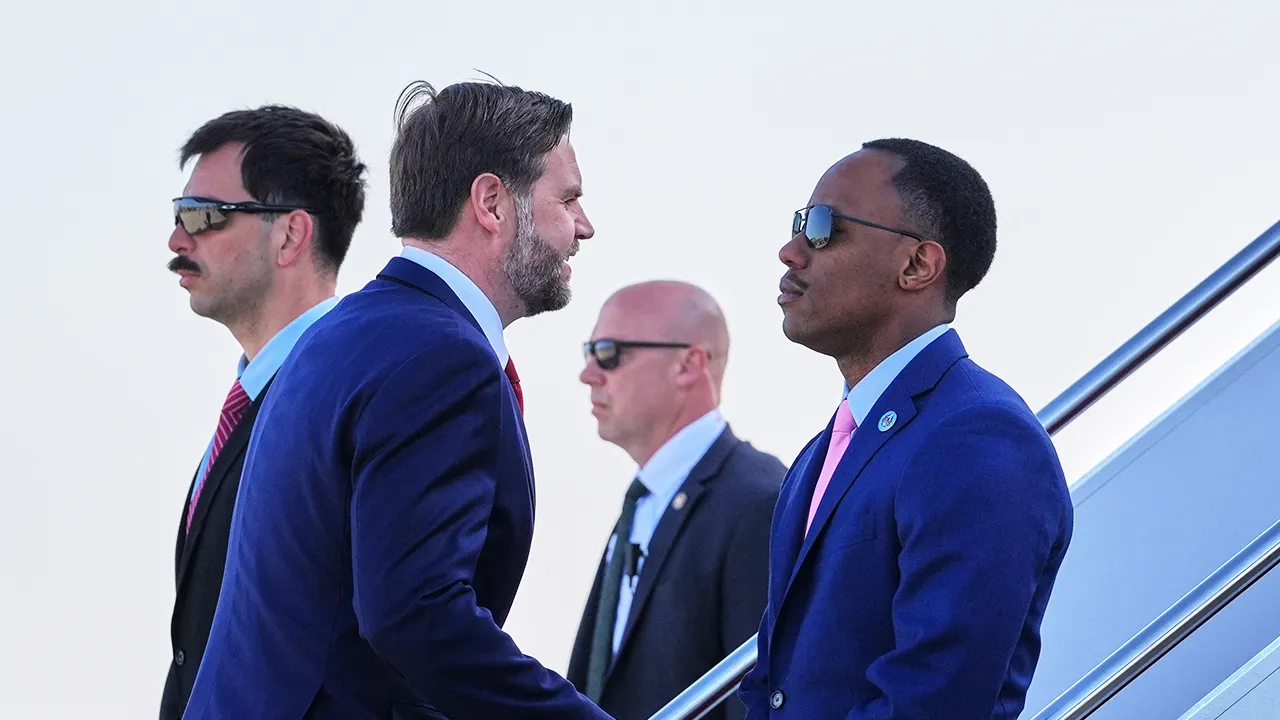
Vice President JD Vance arrived in Pakistan early Saturday, where he is leading high-stakes negotiations with Iran aimed at preserving a fragile ceasefire and preventing a broader regional war.
Vance is joined by U.S. Special Envoy Steve Witkoff and Jared Kushner, President Donald Trump’s son-in-law, as part of a senior delegation engaging Iranian officials in Islamabad.
Iranian Foreign Minister Abbas Araghchi and Speaker of Parliament Mohammad Bagher Ghalibaf will be negotiating for Iran.
The talks, scheduled for Saturday, come over a month after the U.S. launched Operation Epic Fury on Feb. 28 — a sweeping military campaign targeting Iran’s military infrastructure following the collapse of nuclear negotiations.
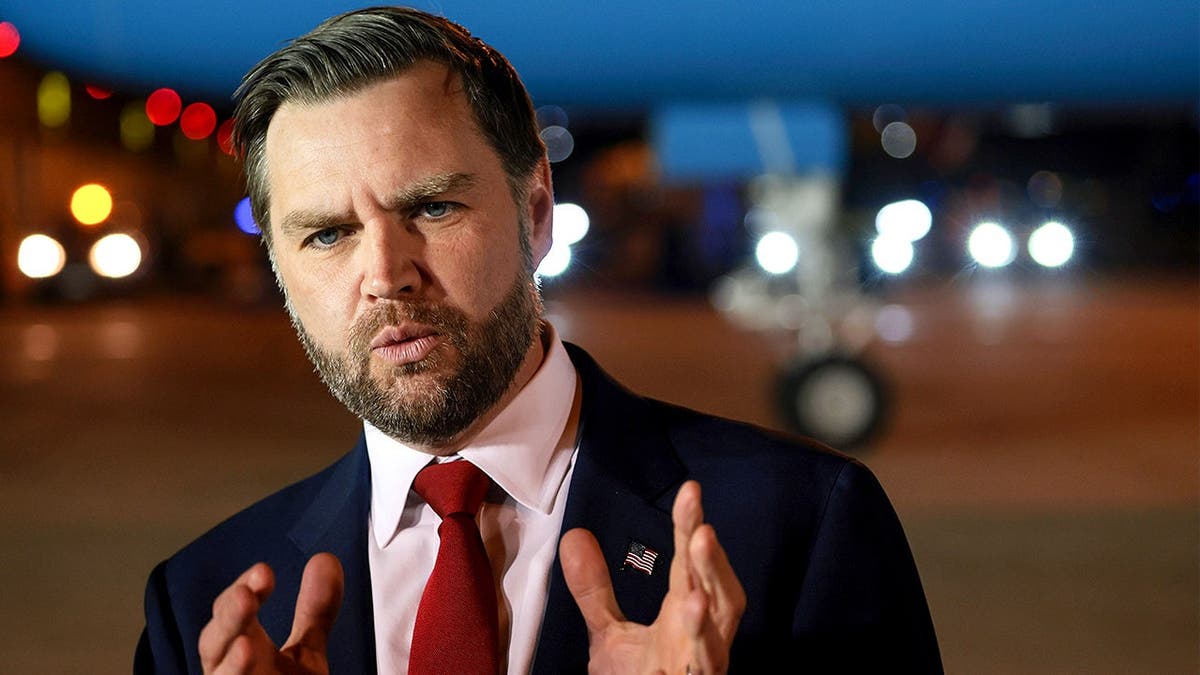
Vice President JD Vance spoke to reporters before boarding Air Force Two at Budapest Ferenc Liszt International Airport on April 8, 2026, in Budapest, Hungary. (Jonathan Ernst-Pool/Getty Images)
IRAN REVEALS 10-POINT PLAN FOR PEACE WITH THE US – HERE’S WHAT’S IN IT
That operation pushed the U.S. and Iran to the brink of a ground war before a tenuous diplomatic breakthrough in recent days.
Trump announced a two-week ceasefire Tuesday, agreeing to suspend further U.S. strikes on the condition that Iran reopen the Strait of Hormuz, a critical global shipping route.
While Iran signaled it would allow passage through the strait as part of the agreement, traffic remains severely disrupted, with shipping companies hesitant to resume normal operations amid ongoing security concerns and uncertainty over enforcement.
Vance struck a cautious tone before departing, warning Iran not to test the U.S. negotiating posture.
“If they’re gonna try and play us, then they’re gonna find that the negotiating team is not that receptive,” Vance said, adding he still expects the talks to be “positive.”
The outcome of the talks could determine whether the ceasefire holds or collapses into renewed hostilities, as both sides remain deeply divided after weeks of conflict.
Iranian officials have struck a cautious and conditional tone ahead of the talks.
Iran’s Supreme National Security Council said it accepted the two-week ceasefire but warned “this does not signify the termination of the war,” adding that “our hands remain upon the trigger” if the agreement is violated.
Vance described the agreement Wednesday as a “fragile truce.”
Iran also has tied the success of the ceasefire to developments in Lebanon, insisting that Israeli strikes on Hezbollah must stop as part of any broader agreement. Tehran has warned that continued attacks could jeopardize the talks, highlighting a key dispute with Israel and the U.S., which have argued Lebanon is not covered by the truce.
VANCE WARNS IRAN WILL ‘FIND OUT’ TRUMP IS ‘NOT ONE TO MESS AROUND’ IF CEASEFIRE DEAL FALLS APART
Pakistan has emerged as a key intermediary, positioning itself as a neutral venue between Washington and Iran after helping broker the initial truce. But that role is already facing scrutiny.
Pakistan’s defense minister, Khawaja Asif, sparked backlash recently after calling Israel’s actions a “curse on humanity” in a now-deleted X post and, in a separate exchange, saying critics should “burn in hell.”
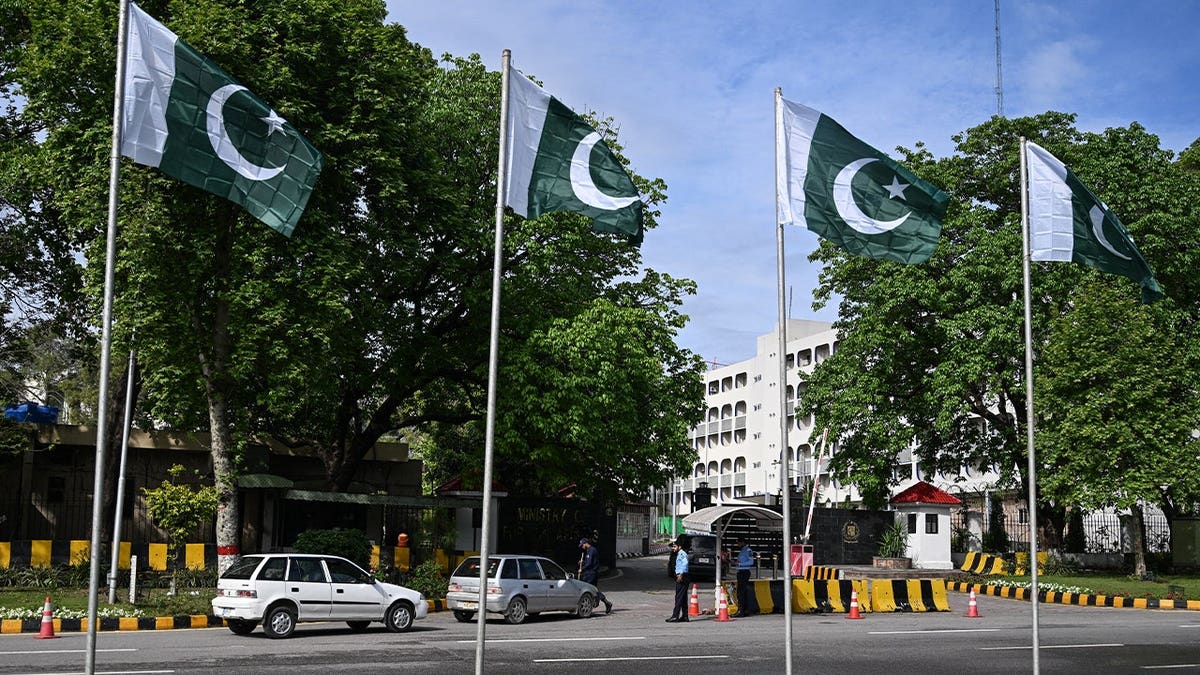
Security personnel inspect vehicles entering the Foreign Ministry office in Islamabad April 9, 2026. (Aamir QURESHI / AFP via Getty Images)
The remarks drew a sharp response from Israeli officials, who questioned Pakistan’s credibility as a neutral broker. Israeli leaders described the comments as “outrageous” and warned such rhetoric was incompatible with serving as a mediator, while Israel’s ambassador to India publicly said, “we don’t trust Pakistan.”
Pakistani officials have not directly addressed the controversy surrounding Asif’s remarks but have defended their broader role, emphasizing Islamabad’s efforts to broker the ceasefire and facilitate talks. Prime Minister Shehbaz Sharif has called for “dialogue and diplomacy,” while officials say both Washington and Iran have expressed confidence in Pakistan’s mediation.
The talks are also unfolding against a challenging security backdrop.
U.S. officials have long treated Pakistan as a high-threat environment for official travel, with strict movement controls and layered security measures typically required for American personnel.
Bill Gage, a former Secret Service agent who traveled to Islamabad with President George W. Bush, told Fox News Digital the threat environment in Pakistan historically has ranked among the most severe faced by U.S. protective teams, requiring constant coordination and heightened precautions.
“The threat environment in Pakistan was one of the worst the Secret Service had ever operated in,” Gage said of his experience in 2006. “We were briefed that al-Qaeda wanted to kidnap an agent, so we always had to be in pairs.”
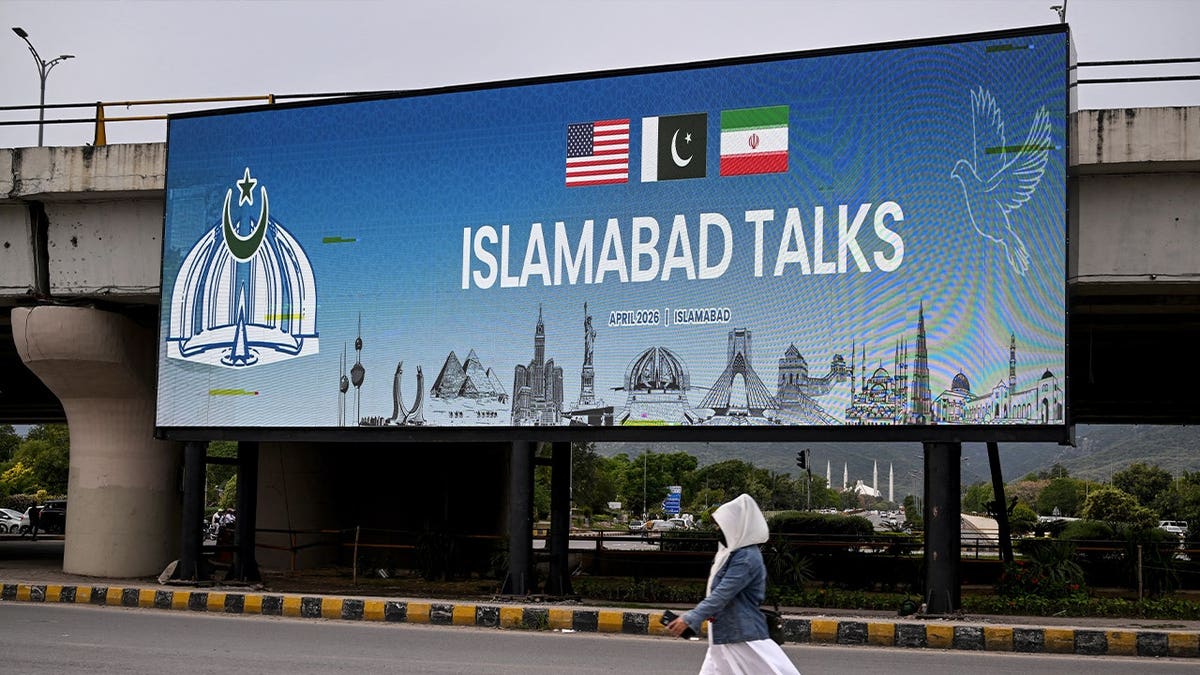
Islamabad is set to host peace talks between Iran and the U.S. April 11, 2026. (Farooq NAEEM / AFP via Getty Images)
Pakistan continues to grapple with persistent terrorism threats.
The State Department currently classifies the country as a Level 3 travel risk, warning of potential attacks, crime and kidnapping, and noting that extremist groups have carried out strikes in major cities, including Islamabad.
CLICK HERE TO DOWNLOAD THE FOX NEWS APP
Still, U.S. officials view the Islamabad meeting as a rare opening for diplomacy, with discussions expected to include nuclear restrictions, sanctions relief and broader regional security issues.
Whether the talks produce a lasting breakthrough or plunge the Middle East back into conflict may hinge on whether both Washington and Iran are willing to move beyond decades of mistrust.
https://www.foxnews.com/politics/vance-en-route-pakistan-high-stakes-iran-talks-fragile-ceasefire-teeters
