


Share

U.S. spot Bitcoin ETFs took in $471 million on Monday, marking their strongest single-day inflow since 25 February and helping drive Bitcoin back toward the $70,000 level.
The move points to a renewed pickup in institutional demand even as macro risks remain in focus. Traders are increasingly positioning for a larger volatility event into mid-Q2, with markets also factoring in a steadier interest-rate backdrop and possible easing in Middle East tensions.
As capital returns to crypto, some investors are also rotating beyond Bitcoin into infrastructure projects aimed at addressing blockchain scalability. Among them is LiquidChain (LIQUID), a Layer 3 network targeting high-frequency trading and complex decentralized applications.
Bitcoin had spent weeks consolidating between $65,000 and $68,000, but recent price action suggests sentiment is improving. The $70,000 area, previously viewed as a psychological ceiling, is now being watched as support, while 24-hour trading volume has risen 35% to $52 billion.
Analysts continue to point to a potential supply squeeze as ETF issuers absorb Bitcoin faster than new coins are mined. Michaël van de Poppe (@CryptoMichNL), founder of MN Consultancy, said Bitcoin is showing strength and that the market may be entering a fresh expansion phase.
https://twitter.com/CryptoMichNL/status/204122794227395017641227942273950176
On-chain data has also supported the more constructive view. The Cumulative Value Days Destroyed (CVDD) floor has recently reset, a signal often interpreted as evidence that long-term holders have completed a distribution cycle and that a new floor may be forming.
At the same time, Bollinger Bands on the daily chart are at their tightest levels in years, indicating compressed volatility. Historically, similar setups have preceded moves of 40% or more, leaving traders focused on the likelihood of a sharp breakout rather than continued sideways trade.
Why scalability plays are drawing attention
While Bitcoin remains the market’s primary store-of-value trade, a higher-risk appetite is also benefiting projects tied to network capacity and execution speed. That backdrop has put Layer 3 protocols such as LiquidChain (LIQUID) on investors’ radar.
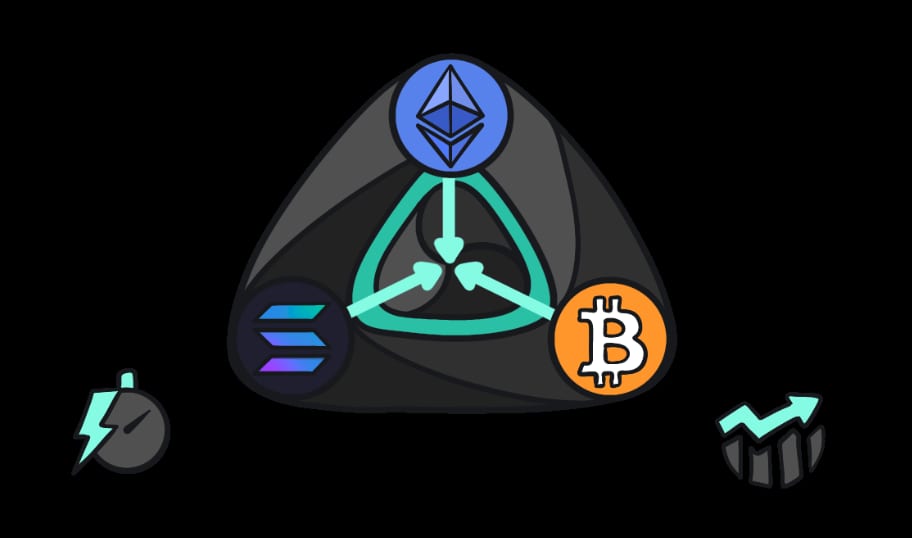
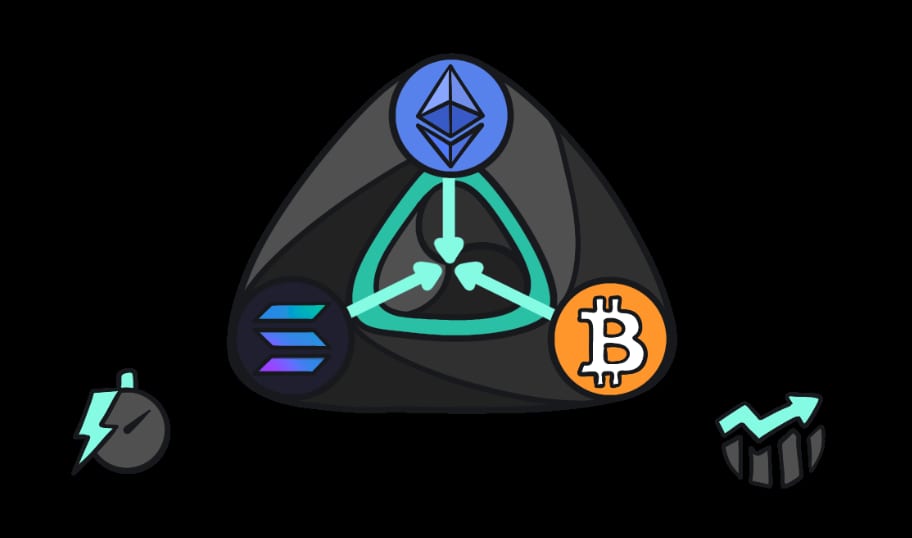
LiquidChain is building a Layer 3 network that sits on top of existing Layer 2 systems, with a focus on decentralized finance and gaming use cases. The project says it aims to connect Bitcoin, Ethereum, and Solana in a unified execution layer spanning the three largest blockchain ecosystems.
According to the project, its infrastructure uses ZK-rollup technology to offer sub-second block times and near-zero gas fees while relying on the security of underlying networks. The architecture is intended to support high-throughput applications that are harder to run efficiently on traditional chains.
The LIQUID token is designed for gas fees, governance, and staking within the ecosystem. LiquidChain says early users can already access staking with rewards of up to 42% APY, while interest has increased ahead of a mainnet launch expected later this quarter. The project also says its community has grown by more than 50% over the past month.

LiquidChain access and staking options
Users interested in the project can visit the official LiquidChain website, connect a supported crypto wallet, and review the available documentation and community resources.
The platform says it supports multiple wallets and offers bridging from major Layer 2 networks. It also points users to the Best Wallet app, available via the Apple App Store and Google Play, for integrated support for ecosystem tokens, including LIQUID.
After acquiring tokens, users can participate in early staking, which the project says currently offers up to 42% APY.
For updates, users can follow LiquidChain on X and join the official Telegram group.
Visit LiquidChain.
https://cryptonews.com/news/us-spot-bitcoin-etfs-draw-471m-as-btc-nears-70k-liquidchain-pitches-layer-3-defi-buildout/
