


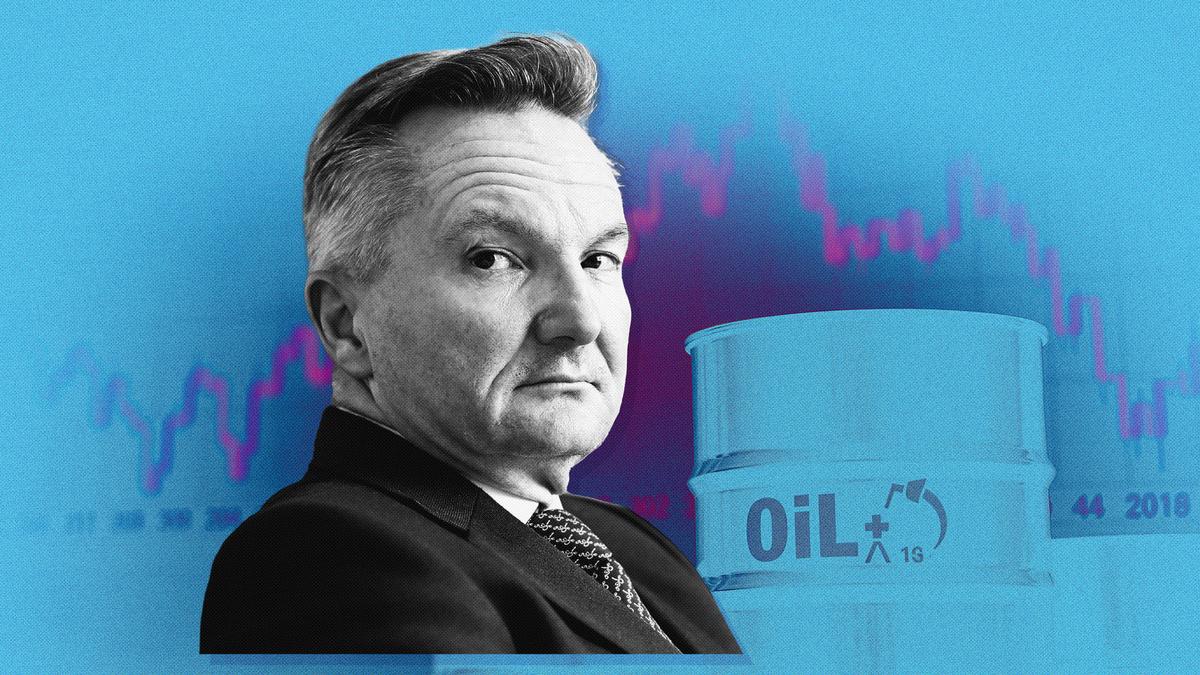
Diesel drivers are gearing up for even more financial pain at the pump from next week as the Middle East conflict sends the price of oil through the roof.
The barrel of gas oil — which is the international benchmark price for diesel — increased by an unprecedented $46 in just 24 hours, which is expected to flow on to motorists at servos across the nation from Monday.
The average cost of diesel shot up again to about 308 cents per litre on for Sunday’s prices, hitting around 320 cents at some stations.
Fears of further price hikes have prompted food suppliers to make an urgent plea to supermarkets to hike up the price of locally-produced vegetables in a bid to offset their increased costs.
Industry leaders Ausveg have warned supermarkets that the crisis in the Middle East has seen overheads skyrocket – from the cost of fuel itself to how much producers are spending on vital resources like fertilisers.
They’ve warned that unless prices paid to growers are increased, the availability of fresh Australian groceries will suffer, meaning shoppers could see prices increase by 10 to 20 per cent in coming weeks.
The NRMA’s Peter Khoury said diesel hikes were in response to fears that the war could be escalating.
“Obviously, as we headed into the long weekend, we were hoping to see some stabilisation of gas oil,” he said.
“We saw the opposite with a $46-a-barrel jump overnight as a result of, well, things coming out of the United States in terms of commentary, but also what we saw with an escalation in Iran.”
Mr Khoury said the jump was “the largest on record” and signified a tripling in gas oil pricing since the start of the war.
The flow-on effect at the fuel bowser following the Easter break was still unclear, but Mr Khoury said motorists should be prepared.
“It is so volatile. What we know is that things have been changing by the hour. So when we get out of this long weekend, we’ll have a better sense of where we’re sitting,” he said.
“We’ve not seen anything remotely like that — it was completely off the charts. However, it is important to say we would expect to see it come back in.”
As prices began to rise again at the start of the holiday break, Federal Energy Minister Chris Bowen was continuing to assure Australians they won’t run out of fuel, at least not in the next 39 days.
But he urged Aussies not to buy more fuel than they needed this Easter long weekend.
Speaking in Sydney, Mr Bowen said Australia had just over a month of petrol in supplies (1.7 billion litres), 29 days of diesel (2.6 billion litres) and 30 days of jet fuel (847 million litres).
“Fuel is going out the door to service stations and farmers and fuel is coming in the door at Australia’s import terminals and our refineries are working full pelt,” he said.
“The total number of service stations without diesel in Australia, which is where the main pressure has been, is 312 out of the around 8000 service stations.

“Industry and government have been working closely together to ensure that we are filling those gaps which have been caused by that very big increase in demand as quickly as possible so that Australians can have more confidence that when they go to the service station the fuel they need will be there.”
Even so, according to figures supplied to The Sunday Times by Mr Bowen’s office on Saturday, there still remained a high number of WA service stations that had run out of diesel or unleaded fuel.
At least 28 service stations had no diesel and 50 had run out of unleaded fuel.
Mr Bowen again urged Australians to be frugal at the bowser.
“The key message remains: Regardless, please buy as much fuel as you need, buy no less than you normally would but don’t buy more,” he said.
“It’s not helpful. It makes the challenges worse and if you are storing it (fuel) in a jerry can in your garage it’s unsafe.”
One service station in the Goldfields was forced to introduce a ban on jerry cans and a limit of $200 for fuel transaction in order to stretch dwindling supplies over the Easter holiday break.
According to one driver, the business also had a 20 per cent public holiday surcharge on top of the fuel — taking the cost to $4.06 a litre for diesel.
Mr Bowen said the supply issues experienced in the regions should not force families to cancel their Easter getaways.
“If you can fill up in the city to help the country, because most of the outages we’re seeing are in regional Australia, particularly on diesel, because it takes longer to get the fuel there to refill and replenish the stocks,” he said.
Mr Bowen also revealed that efforts to restock service stations in other states had reduced the number of dry sites. In New South Wales the number of service stations without diesel had dropped from 150 down to 32 on Friday.

Victoria had 23 stations without diesel and 30 without unleaded petrol — Queensland was down to just seven stations out of fuel.
“That still doesn’t mean that there is not still a lot of work to do, so that the figures go down to zero,” Mr Bowen said.
In a sign of how troubled the times ahead are, Mr Bowen has even offered up tips for drivers on how to make a tank of fuel stretch further.
“(There are) little things you can do, like checking your tyre pressure can make a big difference to your fuel efficiency and man you can get more kilometres out of a litre of petrol or diesel,” he said.
The war in Iran has played havoc with oil supplies coming out of the Strait of Hormuz.
Australia imports 90 per cent of its refined fuel, with much of that coming out of Asia.
Mr Bowen said there were 53 ships carrying fuel on their way to Australia and they were expected to arrive this month, with 3.7 billion litres of fuel on board.
“While the majority of our fuel has traditionally come from Australian refineries, we have been sourcing fuel from the United States, Mexico and from other countries,” Mr Bowen said.
With the conflict entering its sixth week, there is still not a clear picture of when Donald Trump will end the war with Iran.
The minister’s assurances of adequate supply followed another eye-watering spike in oil prices overnight on Thursday sparked by escalating tensions in the conflict.
The volatility around the daily fuel price is expected to persist and even after the war ends, Mr Bowen said the after effects will be felt for some time.
“The sooner it (war) ends the better,” he said.
“And even if it ended today, there will be impacts on the supply chain that will be with us for weeks and months ahead.”
The average price of unleaded across WA on Sunday rose to 223 cents per litre.
The cheapest place for unleaded across the metropolitan area will be Burk in Oakford at $1.99, while the cheapest diesel will be $2.90 at the Shell in High Wycombe.
Just this week, Foreign Affairs Minister Penny Wong joined 40 countries on a ministerial call to “ensure critical waterways are not held hostage by the Iranian regime.”
Mr Bowen also reiterated Prime Minister Anthony Albanese’s stance that that Australia would not take offensive action against Iran and would not deploy troops on the ground in Iran.
“We have made it clear that we won’t be involved in any offensive arrangements in the Middle East,” Mr Bowen said.
“We won’t be changing our military stance.”
https://thewest.com.au/politics/federal-politics/chris-bowen-says-australia-has-enough-fuel-for-only-39-days-urges-drivers-to-take-only-whats-needed-c-22094081
