


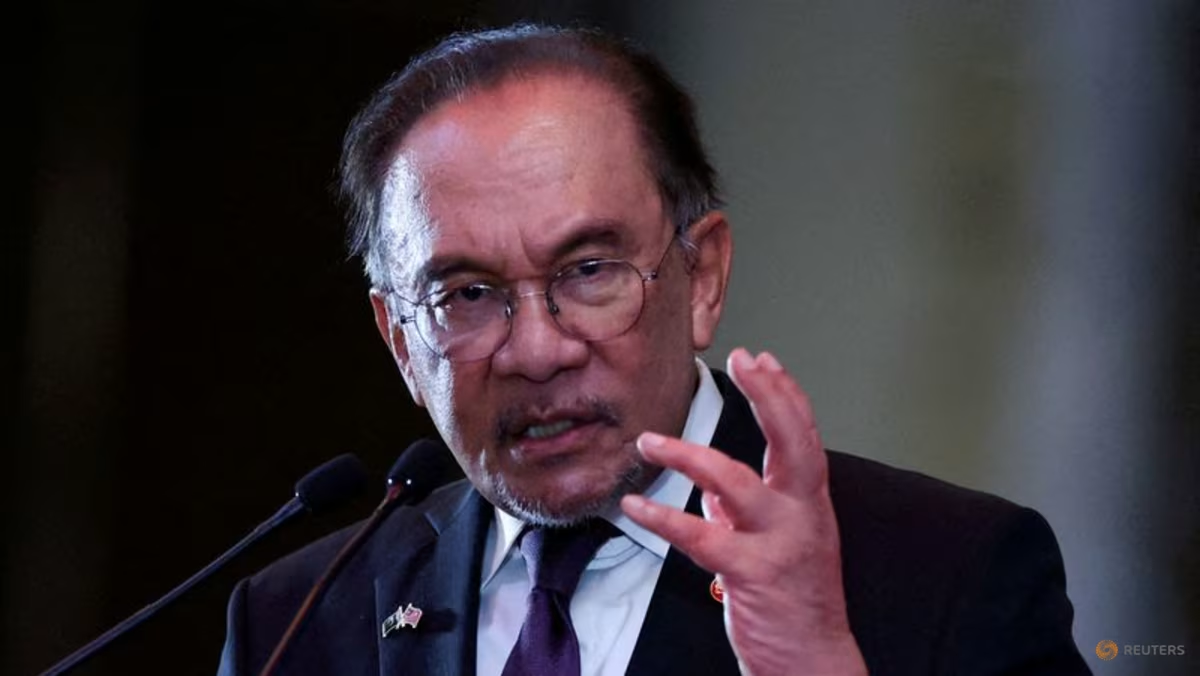
KUALA LUMPUR: Malaysia Prime Minister Anwar Ibrahim has urged the private sector to adopt more flexible work arrangements, including working from home (WFH), following the civil service’s move to implement such practices in coping with the global energy crisis.
Speaking in a special address on Thursday (Mar 26), Anwar outlined Malaysia’s strategic response to rising global oil prices after Iran closed the Strait of Hormuz, a key shipping route through which about 20 per cent of the world’s oil and gas normally flows, since its war with United States and Israel began last month.
Anwar said WFH arrangements would be implemented “in stages and selectively” for civil servants to help Malaysians better navigate the economic pressures rising from global developments.
“We will also encourage the private sector to adopt similar practices that have been implemented by several companies and banks so far,” he said.
Earlier this month, Communications Minister and government spokesperson Fahmi Fadzil said the government was refining a proposal on WFH arrangements for the public sector, adding that many in the private sector had been doing so since the COVID-19 pandemic.
Anwar added that the government remains committed to maintaining discipline in public spending, curbing leakages and ensuring that Malaysia’s economic growth momentum remains strong despite external challenges.
Malaysia continues to stand out as an attractive investment destination despite global economic downturns, he said.
Anwar, who is also the finance minister, called on both the public and private sectors to remain resilient to strengthen the country’s economic capacity in facing ongoing challenges.
https://www.channelnewsasia.com/asia/malaysia-work-home-civil-servants-private-sector-ron95-subsidised-fuel-middle-east-6021016
