


A newly announced US–Japan investment initiative centered on a massive natural gas facility in Ohio is drawing attention from investors seeking potential beneficiaries across the energy, infrastructure, and industrial supply chain.
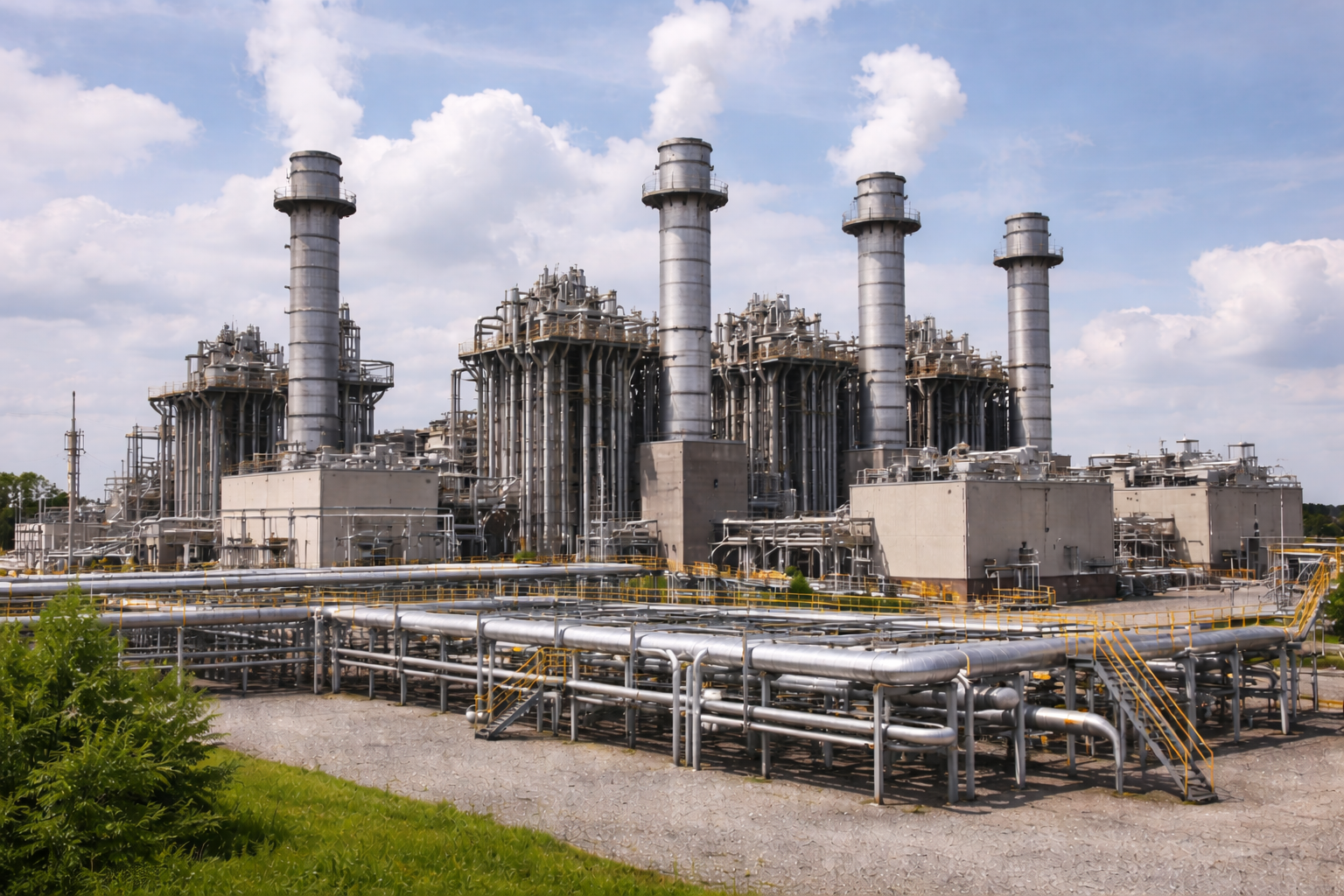
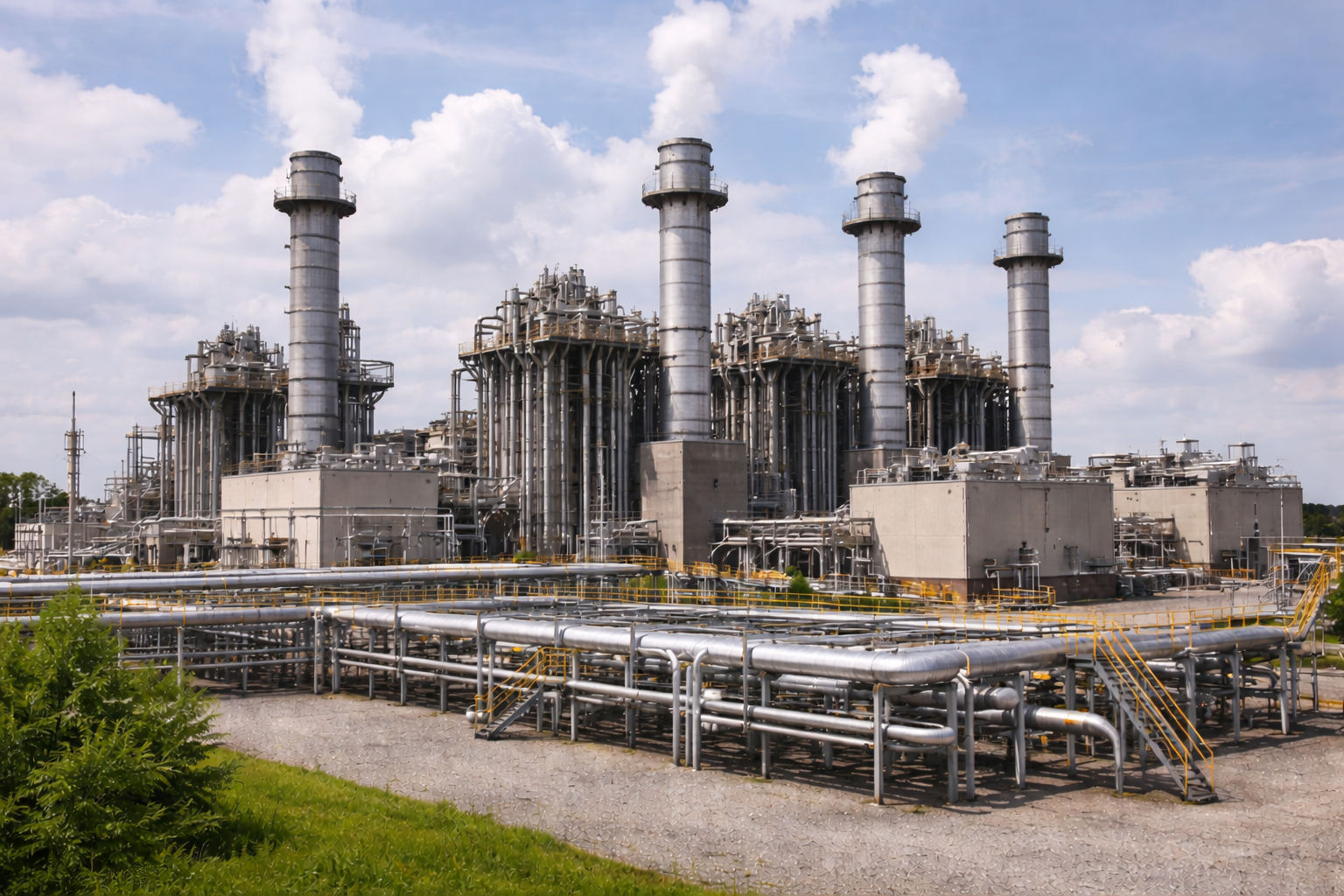
The deal, announced on Feb. 17, includes a planned 9.2-gigawatt natural gas plant in Portsmouth, Ohio, which could become the largest gas-fired power facility ever built in the United States.
The project is expected to receive Japanese government funding and is part of a broader $36 billion initial investment package tied to a long-term $550 billion strategic framework between Washington and Tokyo.
Beyond its scale, the project could affect a wide range of publicly traded companies—from gas producers and pipeline operators to equipment manufacturers and industrial suppliers.
Natural gas producers positioned near the project
The plant’s location in southern Ohio places it close to the Marcellus and Utica shale formations, two of the most productive natural gas regions in the country.
Increased demand for fuel supply could benefit producers operating nearby.
Two of the largest producers in the area are EQT and Expand Energy, says Rob Thummel, senior portfolio manager at Tortoise Capital, in a report.
Because the facility would require a steady and large fuel supply, companies extracting natural gas from the region may see stronger long-term demand if the project proceeds.
The scale is notable: the plant could produce enough electricity to serve more than five million people and would be more than twice the size of the largest existing US gas plant.
Pipeline operators and infrastructure companies
Transportation infrastructure is another sector expected to gain.
Delivering natural gas to a facility of this magnitude would depend on existing pipeline networks operating in the region.
Thummel also expects the plant to benefit companies that own nearby pipelines, including TC Energy and Enbridge.
The project’s location was likely influenced by available natural gas supply and infrastructure connectivity.
The Portsmouth area already supports significant production and pipeline capacity, which could reduce logistical challenges while creating incremental throughput for midstream operators.
In addition to production and transportation, related export and energy infrastructure projects within the broader US–Japan framework may benefit companies indirectly.
The agreement also includes a deepwater crude export terminal in Texas and a synthetic diamond manufacturing facility in Georgia, targeting energy exports and industrial manufacturing.
Equipment makers and industrial suppliers
Industrial and equipment manufacturers could also see business opportunities as the facility moves forward.
The project is being developed by SB Energy, backed by SoftBank, and is expected to rely on large-scale generation and grid infrastructure.
US energy equipment supplier GE Vernova is viewed as a likely candidate to provide advanced gas turbines and grid infrastructure for the facility.
Japanese manufacturers may also participate in the construction and supply chain.
Japanese companies — including names such as Toshiba, Hitachi, and Mitsubishi Electric — may end up working on the project.
Japan is expected to finance the project largely through debt support, and the arrangement is designed to create economic returns for both countries.
“The Japanese government is trying to show back to its public that it’s not just giving money to the US — that it’s investing in projects that are profitable and will be beneficial to Japan’s interest,” Schuch-Page, an energy expert at The Asia Group, said.
AI data centers and broader implications
The power plant may not primarily serve residential demand.
A Japanese government fact sheet says the plant will be used “to supply electricity to AI data centers, etc.” SoftBank already has data-center developments underway in the United States, including a project in Lordstown, Ohio, tied to its Stargate initiative with OpenAI.
The scale of the facility and its connection to digital infrastructure suggest demand from artificial intelligence computing could be a major driver behind the investment.
Conventional natural gas plants typically have less than 1 gigawatt of capacity and take at least five years to build, highlighting the unusually large size of the project.
https://invezz.com/news/2026/02/21/stocks-that-could-benefit-from-japan-backed-ohio-natural-gas-plant/
