


Public opinion on this remains divided across the country.
“If an innocent person were executed because of a wrongful judgment, how unfair would that be?” one member of the public in Seoul told CNA.
“These days, crimes are extremely cruel. There needs to be a clear example set – at least once – to serve as a warning,” said another.
Surveys suggest more than 60 per cent of South Koreans support capital punishment, largely driven by fears of violent crime.
“On the premise of introducing life imprisonment without the possibility of parole, abolishing the death penalty may be a way to better align the law with reality,” Cha noted.
Human rights groups warn that the death penalty carries the risk of irreversible error, pointing to cases like Park Gi-rae’s as a stark reminder.
For his son Chang-seon, the court’s apology and financial compensation have done little to ease decades of trauma.
The family was awarded about 1.33 billion won (US$921,000) in compensation after the acquittal. Two other men in the same case were executed.
“This isn’t something money can fix. Even though the presiding judge apologised, what’s needed is institutional recognition – memorials and acknowledgment – because the trauma continues into the third generation. Even my siblings are still suffering,” said Park Chang-seon.
He said he believes the justice system must recognise the lasting impact of wrongful convictions – especially in a system where executions, once carried out, cannot be undone.
“It’s an unspeakable atrocity. Human judgment can make mistakes. Because of that, I believe the death penalty must never be carried out,” he said.
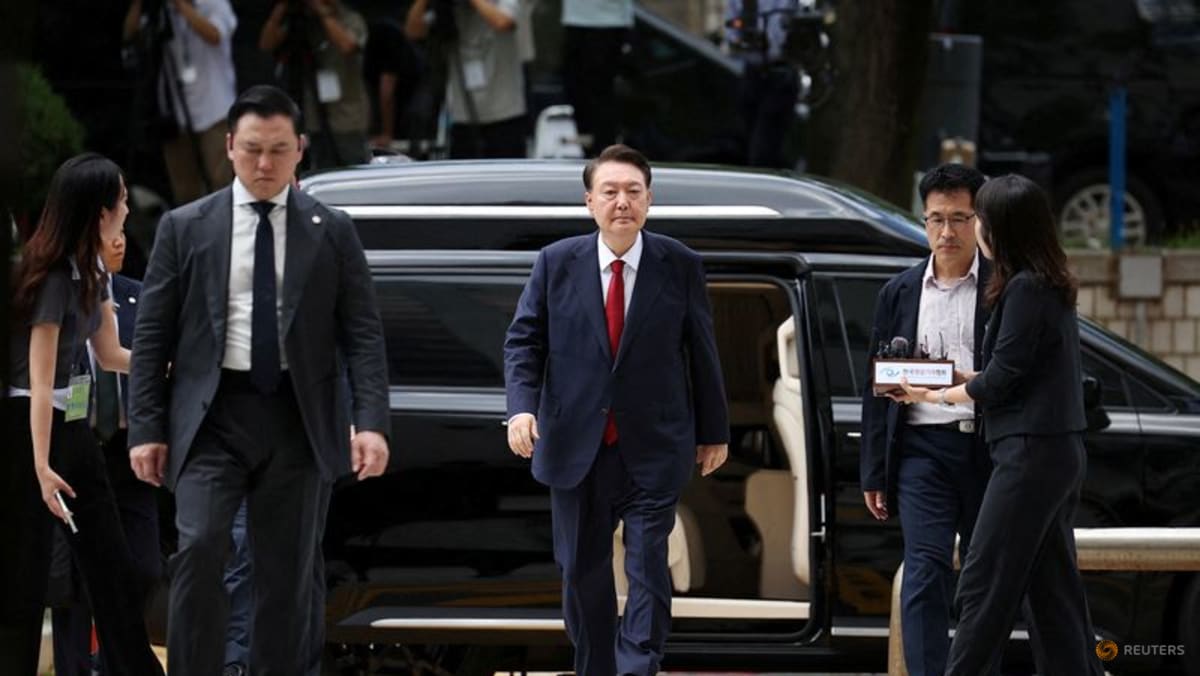
“In unforgivable cases – someone like Yoon Suk Yeol – you may symbolically seek or hand out a death sentence. But it should never be executed. I don’t know if that sounds contradictory, but that’s what I believe.”
https://www.channelnewsasia.com/east-asia/south-korea-death-penalty-debate-divided-yoon-suk-yeol-5937436
